
This interior defensive line class is one of the more balanced groups in the cycle, featuring a mix of high-end talent and real depth throughout the board. At the top, there are players who can consistently control the line of scrimmage or disrupt the pocket in different ways, while the rest of the group offers a wide range of skill sets that translate to multiple roles. The strength of this class is not just in the names at the very top, but in how many players show traits that can impact games in different phases. There is a clear blend of power, athleticism, and versatility across the group that makes evaluating the position especially interesting this year. These rankings reflect how the players perform and impact the game on tape, emphasizing consistency, traits, and overall disruption.
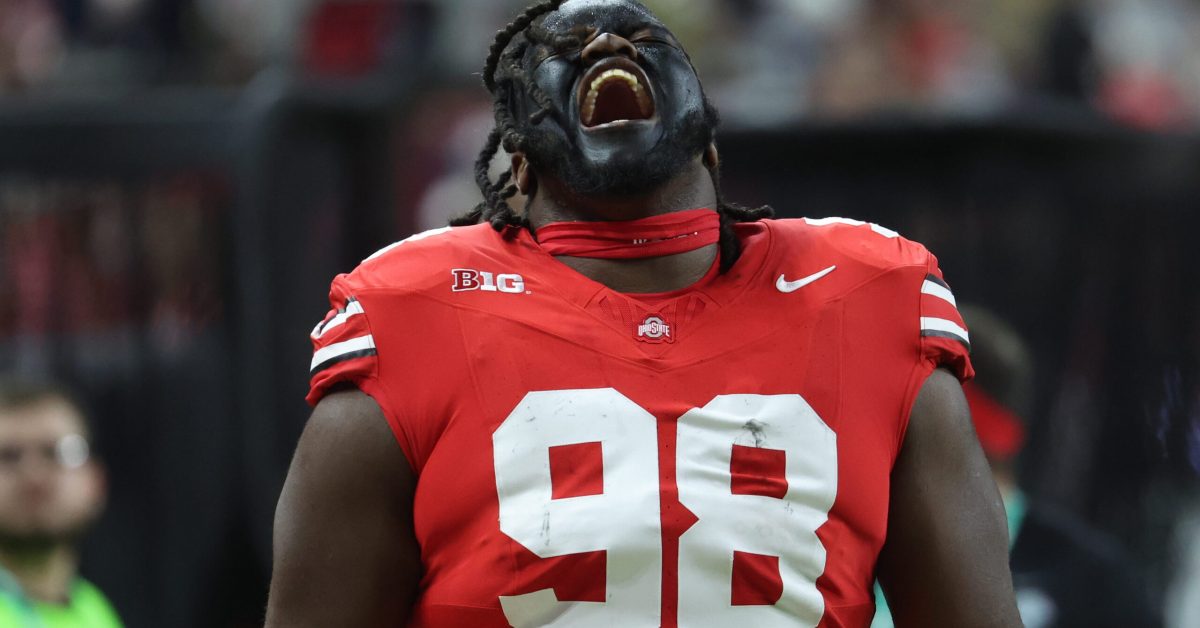
1. Kayden McDonald — Ohio State
McDonald is the best run defender in this class, consistently dominating the interior with elite strength and anchor ability that shows up on every snap. He absorbs double teams without losing ground and routinely resets the line of scrimmage, forcing offenses to abandon interior run concepts. His hand placement is precise and powerful, allowing him to lock out blockers and maintain control through contact. He does not just occupy space, he actively disrupts plays by finding the football and finishing near the line of scrimmage.
What separates him is how consistently he maintains gap integrity while still impacting the play. He reads blocking schemes quickly and does not get displaced when offenses try to manipulate him with combination blocks. His balance and body control allow him to stay square and react without overcommitting. He forces offenses into uncomfortable situations where even well-blocked plays struggle to generate movement.
As a pass rusher, McDonald wins primarily through power but still creates steady disruption by collapsing the pocket. He consistently forces quarterbacks off their spot by eliminating space to step up. While his move set is not overly diverse, his raw strength allows him to remain effective in passing situations. His overall game is built on control, physicality, and consistent disruption.
Value: Round 1
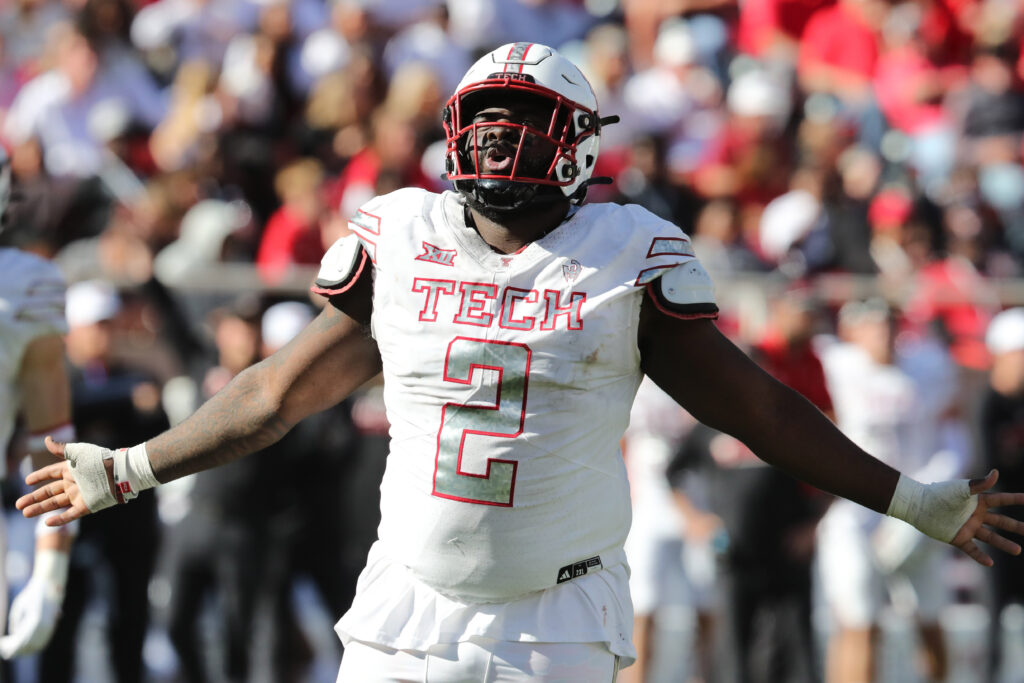
2. Lee Hunter — Texas Tech
Hunter is the most complete interior defensive line prospect in this class, combining strength, technique, and consistency across both run defense and pass rushing. He consistently wins at the point of attack with heavy hands and a strong base, allowing him to control blockers and dictate leverage. His ability to anchor against double teams stands out, as he rarely gives up ground and forces offenses to adjust their blocking schemes. He plays with discipline and awareness, maintaining positioning without sacrificing aggression.
As a pass rusher, Hunter is more impactful than he is often given credit for, generating consistent interior pressure through power and timing. He understands how to attack blockers’ leverage and collapse the pocket without relying on elite burst. His ability to push the interior disrupts quarterback movement and affects throwing platforms even when he does not finish plays. The pressure he creates is steady and repeatable rather than dependent on isolated flashes.
The main concerns come from his overall athletic profile and age entering the league. He lacks high-end explosiveness and lateral range, which limits his ceiling compared to younger prospects. He will also be 24 before the season begins, which naturally caps long-term developmental upside. Even with those factors, his combination of reliability and completeness makes him one of the safest evaluations in the class.
Value: Round 1–2
3. Peter Woods — Clemson
Woods brings one of the most intriguing athletic profiles in the class, combining explosiveness and movement ability that stand out immediately on film. His first step consistently creates early disruption, forcing offensive linemen into recovery mode before they can establish leverage. He has the flexibility and body control to work through contact and attack gaps in ways that most interior defenders cannot replicate. When he is playing under control, he can take over stretches of games.
His pass rush ability highlights his upside, as he can win quickly with his initial burst and create immediate pressure. He shows a natural feel for attacking leverage points and can disrupt plays without needing extended reps. His lateral mobility allows him to be effective on stunts and movement-based rushes, adding another layer to his impact. He consistently stresses interior protection schemes.
The inconsistency comes from discipline and overall production relative to his traits. He can get out of position when he overcommits to penetration, which creates vulnerabilities against the run. His pass rush plan still needs development beyond his initial move to maintain consistency. His physical tools are high-end, but refinement will determine how often they translate to impact.
Value: Round 2
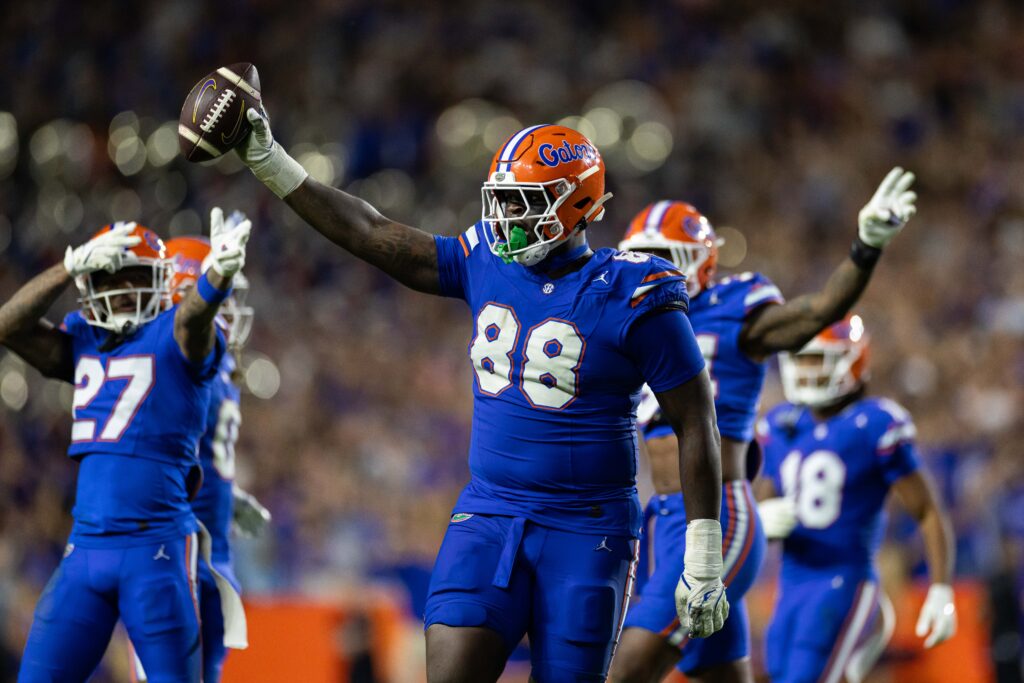
4. Caleb Banks — Florida
Banks has one of the highest upside profiles in the entire class, combining rare size, length, and athletic ability that immediately stand out. He explodes off the ball for a player of his frame and can create instant penetration into the backfield. His versatility allows him to line up across multiple positions, giving him the ability to impact the game from different alignments. When he is technically sound, he can be extremely difficult to block.
As a pass rusher, Banks flashes dominant ability to collapse the pocket and generate consistent pressure from the interior. His length allows him to create separation, while his power enables him to drive blockers backward into the quarterback. He shows the ability to string moves together when he is playing with confidence and timing. His impact in passing situations can be disruptive at a high level.
The most significant concern in his evaluation is his injury history, which presents real risk in projecting his long-term availability. Recurring lower-body issues and recent foot surgery raise questions about durability more than any technical aspect of his game. While his pad level and run defense still need development, those concerns are secondary to his health. His overall evaluation is heavily influenced by how that risk is weighed against his upside.
Value: Round 2
5. Christen Miller — Georgia
Miller is one of the most consistent run defenders in the class, winning with leverage, strength, and control at the point of attack. He plays with excellent pad level and uses heavy hands to establish positioning early in reps. His ability to stack and shed allows him to stay involved in plays without losing gap integrity. He consistently impacts the run game by maintaining structure along the interior.
He handles physical matchups effectively and holds his ground against combination blocks without being displaced. His awareness allows him to read blocking schemes and react without overcommitting. He does the type of work that keeps the defense structurally sound on a snap-to-snap basis. His consistency shows up throughout entire games rather than in isolated moments.
As a pass rusher, his impact is still developing, but he flashes the ability to collapse the pocket with power. He does not yet have a deep move set, which limits his ability to consistently generate pressure. Expanding his pass rush plan would elevate his overall effectiveness. His game is built on reliability, control, and steady disruption.
Value: Round 2
6. Gracen Halton — Oklahoma
Halton wins with quickness and timing, consistently creating early disruption off the snap with his first step. He immediately puts blockers in recovery mode and forces them to react rather than dictate the rep. His active hands help him slip blocks and maintain positioning through contact. His motor stays active, allowing him to remain involved even when his initial move does not win.
As a pass rusher, he generates pressure through movement and effort rather than pure power. He is effective on stunts and twists, using his agility to navigate traffic and create openings. He can produce second-effort pressure by working around the edges of the pocket. His ability to attack gaps gives him consistent disruption potential.
The limitations show up in the run game, particularly against stronger offensive lines. He can struggle to anchor against double teams and hold his ground when engaged physically. His lack of length makes it harder to control blockers once they get into his frame. His impact is tied more to penetration and disruption than physical control.
Value: Round 3
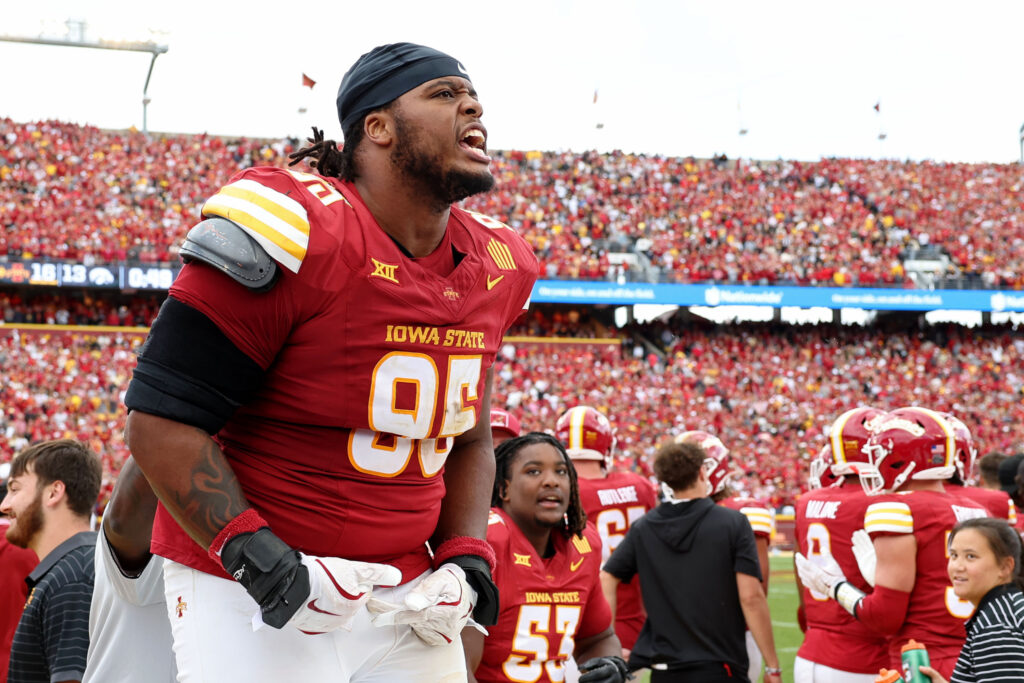
7. Domonique Orange — Iowa State
Orange brings size and strength that allow him to consistently control the interior against the run. He anchors well against double teams and maintains positioning at the point of attack without giving up ground. His length allows him to engage blockers early and stay connected through contact. He plays with physicality that shows up in every phase of the run game.
He shows strong awareness in recognizing blocking schemes and maintaining gap discipline throughout plays. His ability to recover when initially displaced helps him stay effective even when he loses early positioning. He plays with effort and works to stay involved around the ball. His consistency comes from doing the fundamentals well on every snap.
As a pass rusher, his production and impact remain limited compared to his run defense. He does not consistently create pressure or threaten the pocket with a developed move set. His game is built more on controlling space than attacking it. Improving his pass rush ability would significantly increase his overall impact.
Value: Round 3
8. Darrell Jackson Jr. — Florida State
Jackson has the kind of size and length that naturally stands out in the interior, and he uses that frame to control space at the line of scrimmage. He is at his best when he establishes early hand placement and locks out blockers before they can get into his chest. When he stays consistent with pad level, he can anchor and hold gaps effectively against the run. His physical profile gives him a clear presence inside.
He plays with enough awareness to stay involved in run fits and maintain positioning when plays get extended. His ability to disengage and locate the football allows him to contribute beyond just occupying space. There are flashes where his power translates into real disruption at the point of attack. His effort level keeps him active even when he is not winning cleanly.
As a pass rusher, his impact is inconsistent and largely based on power. He does not consistently threaten the pocket or generate pressure with counters or speed. When his initial rush is stalled, he can struggle to create secondary moves. His value is strongest in early-down situations where he can control the interior.
Value: Round 3
9. Kaleb Proctor — SE Louisiana
Proctor is one of the more dynamic interior pass rushers in the class, consistently creating disruption with his quickness off the snap. His first step is sudden and allows him to win gaps before blockers can fully set. He has a diverse set of moves and shows the ability to vary his rush approach. His ability to collapse the pocket stands out as his best trait.
He plays with consistent effort and maintains urgency throughout reps. His movement ability allows him to be effective on stunts and designed pressures. He can create disruption even when initial wins are not clean. His pass rush skill set translates well in passing situations.
The concerns come from his size and run defense limitations. He can struggle to anchor against double teams and hold up in physical matchups. His tackling consistency in space can also be uneven. His game is most impactful when he is attacking rather than absorbing contact.
Value: Round 3
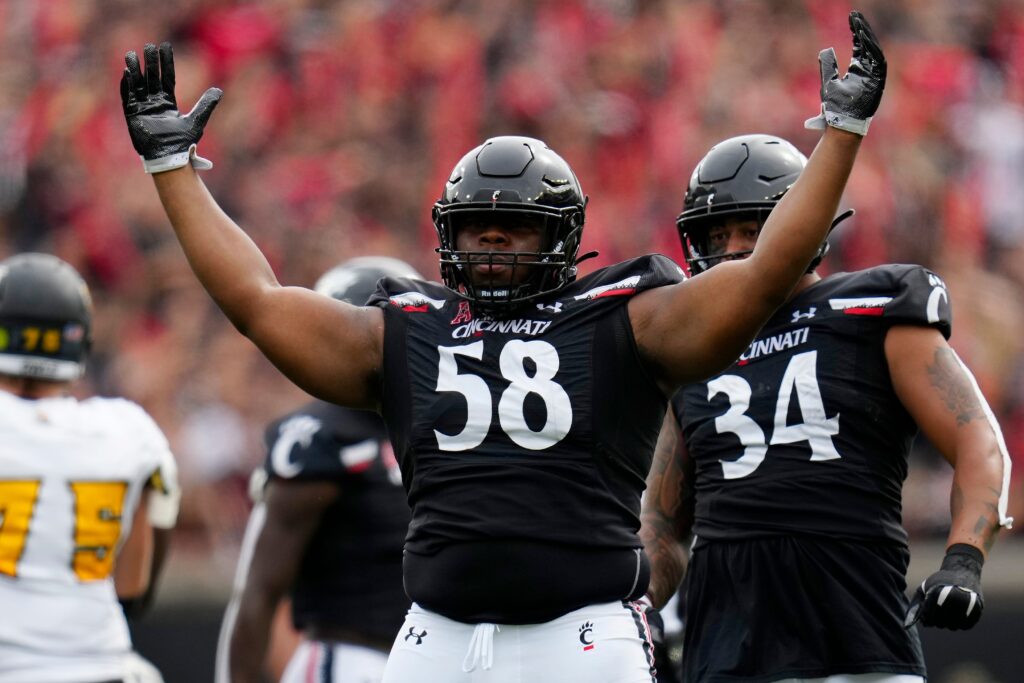
10. Dontay Corleone — Cincinnati
Corleone brings rare strength and leverage to the interior defensive line position. He consistently anchors against double teams and controls the line of scrimmage with his lower-body strength. His natural pad level gives him an advantage in maintaining positioning through contact. He plays with physicality and steady awareness in the run game.
He shows solid short-area quickness for his size, which helps him stay active in interior fits. His hand placement is effective in controlling blockers and keeping himself clean. He consistently finds the football in congested areas and finishes plays. His presence stabilizes the interior.
As a pass rusher, his impact is driven primarily by power and effort. He can collapse the pocket but does not consistently generate pressure with variety. His pass rush effectiveness depends heavily on his initial push. Expanding his technique would increase his overall disruption.
Value: Round 3
Kennesaw State Owls At Cincinnati Bearcats Football
11. Zxavian Harris — Ole Miss
Harris has a rare frame for the position, with length that immediately changes how offenses have to block him. He uses that length to engage early and create separation from blockers. When his hands land cleanly, he can stack and hold gaps effectively. His physical tools give him natural interior presence.
He showed development as a run defender over his career, improving his ability to maintain positioning and finish plays. His size allows him to disrupt lanes and impact blocking schemes even when he is not fully winning reps. He also brings value on special teams due to his length and timing as a blocker. His impact comes from physical traits and situational utility.
The concerns center around pad level, burst, and consistency. He plays too tall at times, which allows blockers to move him off his base. His pass rush plan is limited and heavily reliant on a single move. There are also off-field concerns that require evaluation at the next level.
Value: Early Day 3
12. Chris McClellan — Missouri
McClellan brings a strong frame and consistent effort as a run defender. He holds his ground well against single blocks and shows the ability to stay disciplined in his gap assignments. His tackling ability stands out as reliable when he is in position. He plays with steady physicality.
He is effective at controlling interior space and keeping blockers from climbing to the second level. His awareness allows him to stay involved in run fits without overpursuing. He shows flashes of power when he gets clean contact as a rusher. His game is built around stability.
The limitations come from his pass rush consistency and pad level. He struggles to consistently generate pressure and lacks counter moves when his initial rush stalls. His pad level can rise, which affects his leverage in both phases. His impact is more functional than disruptive.
Value: Early Day 3
13. Landon Robinson — Navy
Robinson wins with quickness and leverage, consistently firing off the snap with a strong first step. His low pad level helps him create natural leverage advantages against interior blockers. He plays with energy and stays active throughout plays. His movement ability stands out for his size.
He is effective in penetrating gaps and creating disruption in the backfield. His ability to work through traffic allows him to fit well in movement-based defensive schemes. He plays with consistent effort and competitiveness. His impact is most noticeable when attacking downhill.
The concerns come from size and strength limitations at the next level. He can struggle against double teams and more powerful linemen. His tackling consistency in space can also be uneven. His impact is tied heavily to quickness and timing.
Value: Early Day 3
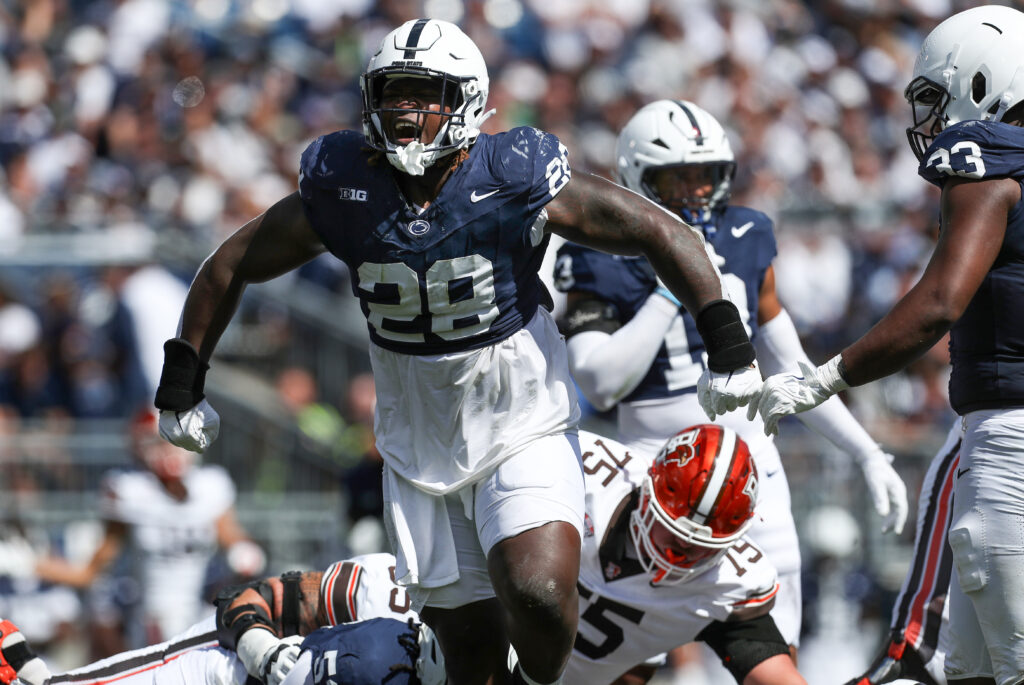
14. Zane Durant — Penn State
Durant brings elite athletic traits that show up immediately on film. His first step and lateral movement allow him to create early disruption. He plays with natural quickness and can win gaps with speed. His physical profile is among the most intriguing in the class.
He is effective in movement-based schemes that allow him to penetrate and attack gaps. His ability to generate pressure comes from burst and agility rather than power. He can create interior disruption when used creatively. His athletic upside is clear.
The inconsistency comes from production and refinement. He struggles to hold up against double teams and lacks a developed pass rush plan. His impact depends heavily on scheme usage and timing. His traits are strong, but his consistency is still developing.
Value: Early Day 3
15. Tyler Onyedim — Texas A&M
Onyedim brings a strong frame and consistent effort across both phases of the game. He fires off low and can create early disruption when he wins first contact. His length allows him to engage blockers and stay connected through reps. He plays with steady physicality and awareness.
He is effective in run defense when he maintains pad level and plays within structure. His ability to track plays and pursue the football stands out on tape. He contributes across multiple situations with reliability. His presence is steady rather than flashy.
The limitations come from pass rush development and consistency. He relies heavily on his initial move and does not consistently generate counters. His pad level can rise and affect leverage against stronger linemen. His impact is functional and effort-driven.
Value: Early Day 3