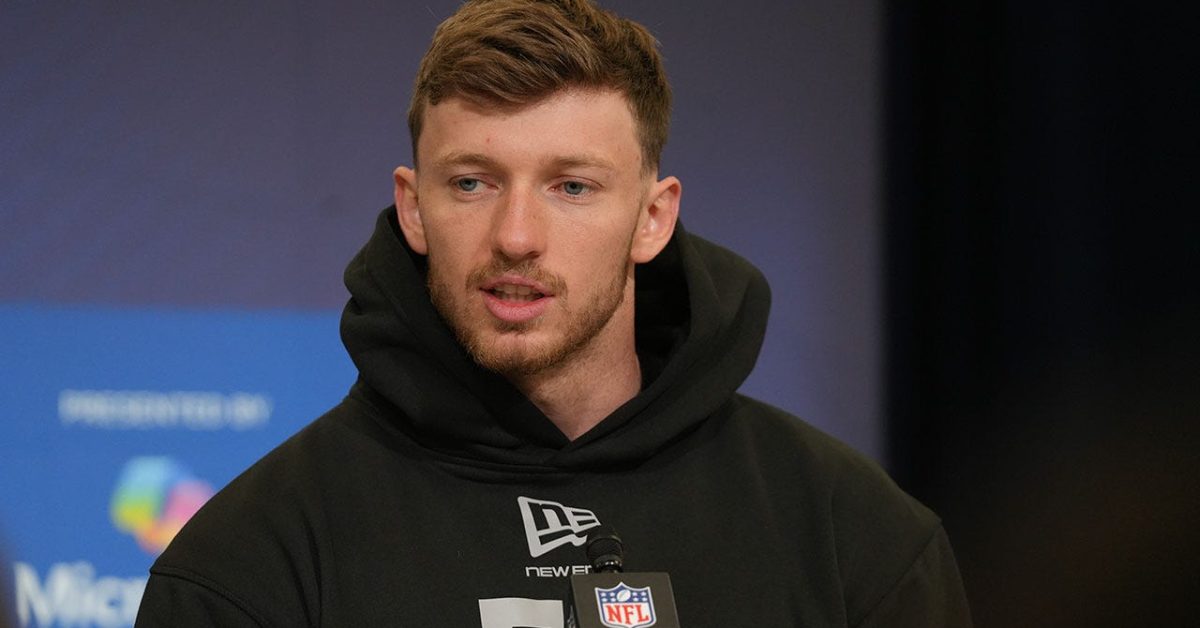

The 2026 safety class is defined by versatility and role diversity, with players who can impact the game from deep coverage, the slot, or near the line of scrimmage. At the top, there are true defensive centerpieces who can command a secondary and elevate those around them, while the rest of the group offers a mix of high-upside athletes and scheme-specific contributors. As offenses continue to stress defenses with spacing and mismatches, the value of safeties who can process quickly and align anywhere has never been higher, making this a deep and intriguing class to evaluate.
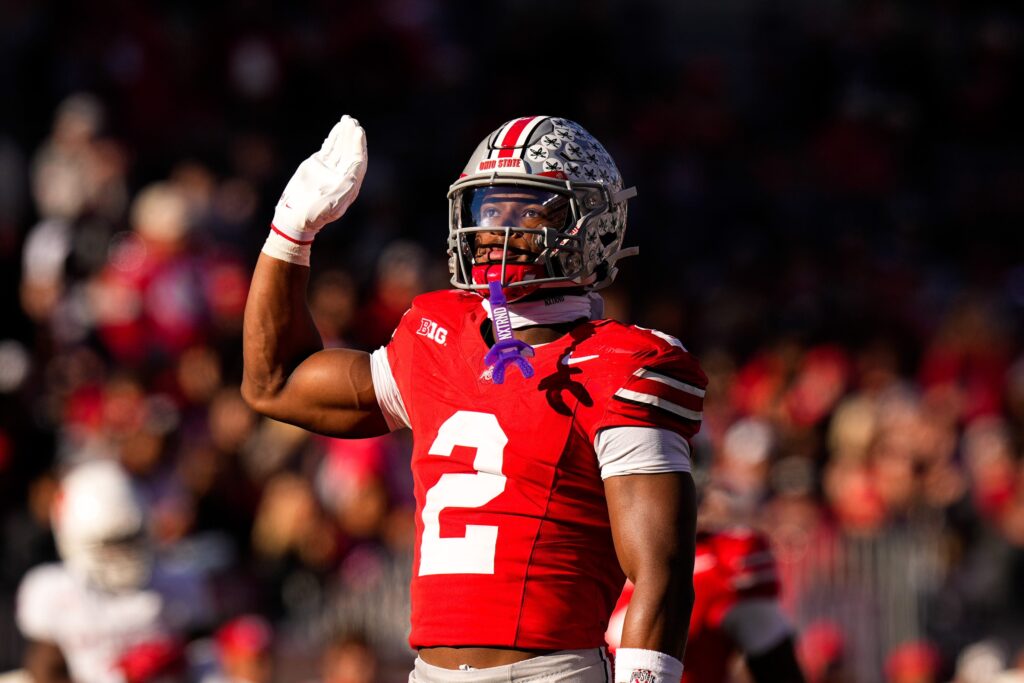
1. Caleb Downs, Ohio State
Downs is the most complete safety in this class, combining elite processing speed with true positional versatility. He diagnoses plays before and after the snap at a level that consistently puts him ahead of the offense. His ability to align anywhere, whether deep, in the box, or over the slot, gives defenses a legitimate chess piece. On top of that, he brings strong tackling technique and leadership that elevates the entire secondary.
In coverage, Downs shows cornerback-level fluidity and instincts, allowing him to mirror routes and close throwing windows quickly. He excels in zone by manipulating quarterbacks with his eyes while maintaining positioning to break on the ball. His ability to transition seamlessly between roles makes him ideal for modern defenses that rely on disguise and flexibility. He can function in any scheme and handle a wide range of responsibilities without limitation.
The few concerns revolve around occasional over-aggression, as he can chase big hits or gamble for turnovers. He also has limited experience as a true single-high defender, leaving minor projection questions in that role. Strength against bigger blockers is another area for growth. Even so, his floor is extremely high, and he projects as an immediate impact starter with All-Pro upside.
Value: Early Round 1
2. Dillon Thieneman, Oregon
Thieneman brings a rare combination of athleticism, instincts, and versatility that gives him one of the highest ceilings in the class. His ability to read the quarterback and anticipate routes allows him to consistently position himself around the football. With elite speed and fluid movement skills, he can cover significant ground and impact plays sideline to sideline. His alignment flexibility adds even more value, as he has proven effective in multiple roles.
In coverage, Thieneman thrives in both split-safety and single-high looks, using his range to eliminate deep threats. He transitions smoothly from his backpedal and shows strong ball skills when attacking passes in the air. His ability to rotate post-snap and handle different responsibilities makes him a perfect fit for complex defensive schemes. He also contributes as a reliable tackler and run defender when playing downhill.
The main concerns come from over-aggressiveness and occasional hesitation against complex concepts. He can bite on play-action or take poor pursuit angles, leading to missed opportunities. His block shedding also needs improvement against bigger bodies. Despite that, his athletic profile and instincts make him one of the safest high-end projections in the class.
Value: Round 1
3. Emmanuel McNeil-Warren, Toledo
McNeil-Warren stands out immediately with a rare physical profile, bringing elite size and length to the safety position. His ability to impact the ball is evident through forced fumbles and consistent disruption at the catch point. In zone coverage, he shows strong awareness, reading the quarterback and using his frame to close throwing lanes. His physicality also shows up in run support, where he attacks downhill with intent.
He projects best in split-safety schemes where he can operate from depth and rely on his instincts rather than pure speed. McNeil-Warren is particularly effective in robber roles, using his length to crowd passing windows and disrupt timing. His versatility allows him to match up with tight ends and contribute across different alignments. When used correctly, he can be a valuable piece in structured coverage systems.
The concerns stem from limited explosiveness and struggles in man coverage against quicker receivers. His testing confirmed average athletic traits, which can show up when asked to cover ground quickly. Tackling consistency and block shedding also need improvement. While his ceiling is somewhat capped, his size and instincts still give him a path to becoming a solid starter.
Value: Round 2
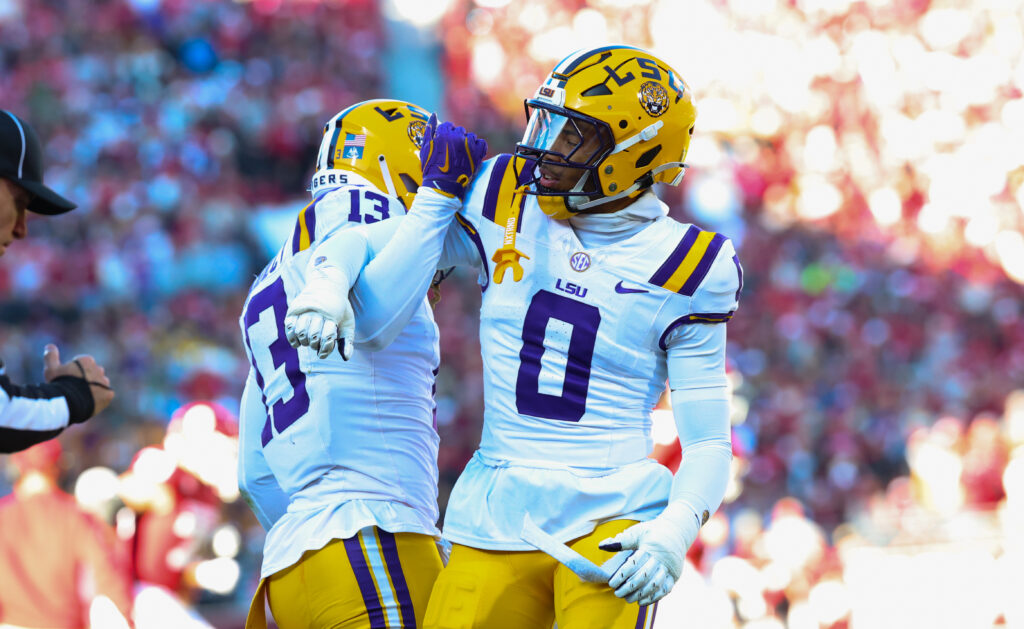
4. A.J. Haulcy, LSU
Haulcy is a physical, instinctive safety who thrives in zone coverage and run support situations. He consistently reads the quarterback well and positions himself to make plays on the ball. His production reflects that, with strong interception and pass breakup numbers across his career. At over 220 pounds, he brings a level of physicality that stands out when attacking ball carriers.
In coverage, Haulcy fits best in two-high systems where he can play with vision and react to developing routes. He excels at limiting throwing windows and forcing quarterbacks into safer decisions. His ability to contribute in the run game adds another layer to his value, allowing him to play closer to the line when needed. He operates well within structure and rarely looks out of position.
The limitations come from his athletic ceiling, particularly in man coverage and deep range. He can struggle to flip his hips and recover against vertical threats, which caps his versatility. Tackling technique can also be inconsistent despite his physical style. Even with those concerns, his instincts and toughness make him a reliable option in the right system.
Value: Round 2
5. Jalon Kilgore, South Carolina
Kilgore brings a strong presence as a physical safety who excels in run support and underneath coverage. He consistently plays downhill with aggression, taking on blocks and finishing tackles with authority. His length and strength allow him to match up well with tight ends and bigger receivers. The versatility to line up in multiple roles adds to his overall value.
In coverage, Kilgore shows solid zone instincts, reading the quarterback and breaking on throws with good timing. He is most effective when playing closer to the line or in intermediate zones rather than deep coverage. His ability to contribute as a big nickel or box safety makes him a useful piece in modern defensive packages. When kept within his strengths, he can be productive early.
The concerns center around his limitations in man coverage and overall consistency. He struggles against quicker receivers and can lose positioning on sharp route breaks. Effort and pursuit angles can also fluctuate, which impacts his reliability. If those areas improve, he has the tools to develop into a versatile rotational defender.
Value: Round 3
6. Bud Clark, TCU
Clark’s calling card is ball production and range, with 15 career interceptions and the speed to consistently impact plays over the top. He reads route concepts quickly and shows a strong closing burst when driving on throws, allowing him to undercut passing lanes. His versatility stands out, logging reps at deep safety, in the slot, and in the box without looking out of place. The experience level is significant as well, with leadership traits that translate immediately.
In coverage, Clark fits best in split-safety schemes where he can read the quarterback and react rather than being isolated deep. His instincts and ball skills allow him to function effectively as a robber, baiting throws and capitalizing on mistakes. He’s comfortable matching up in man situations in short areas, particularly against tight ends. The playmaking ability gives him real value in sub-packages early in his career.
The concerns center around his frame and durability, as he can get overwhelmed by size in the run game and has dealt with injuries. His aggressive play style can also lead to missed tackles and occasional positioning errors. Adding functional strength will be important for his long-term role. Even with those concerns, his instincts and production create a clear path to a rotational role with upside.
Value: Round 3
7. Kamari Ramsey, USC
Ramsey wins with processing speed and coverage instincts, consistently reading quarterbacks and triggering on routes before the ball is released. He transitions smoothly from his backpedal and maintains balance through breaks, allowing him to stay in phase against a variety of route concepts. His versatility shows up with reps at deep safety, in the box, and over the slot. He also brings added value on special teams early.
In coverage, Ramsey is most effective in two-high structures where he can read from depth and attack throwing windows. His ability to diagnose route combinations allows him to close space quickly and disrupt timing. He can match tight ends effectively but is less consistent against quicker slot receivers. The lack of interceptions does not fully reflect his positioning and awareness.
The biggest concerns come in run support and tackling, where hesitation and poor angles limit his impact. He struggles to disengage from blocks and often defaults to arm tackles in space. Injuries have also impacted his consistency. If he improves as a tackler and stays healthy, he has the tools to develop into a reliable starter.
Value: Round 3–4
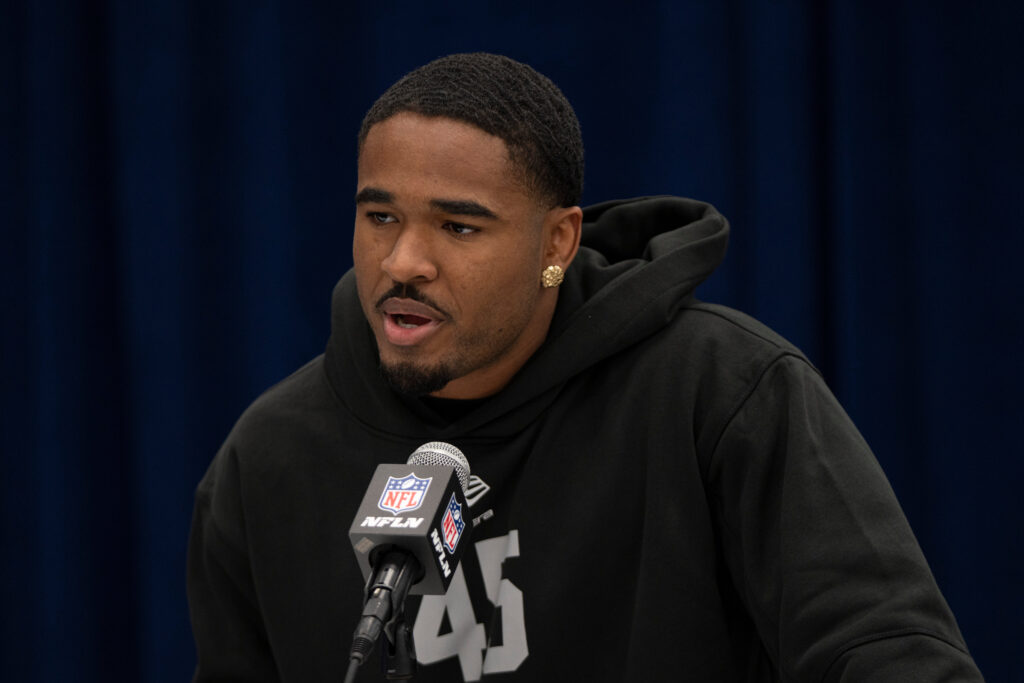
8. Genesis Smith, Arizona
Smith’s game is built around coverage ability, with strong instincts in zone and the patience to let plays develop. He reads the quarterback effectively and uses smooth transitions to close on the football. His length helps at the catch point, allowing him to contest throws without drawing penalties. The production reflects his awareness and timing in coverage situations.
He projects best as a deep safety who can operate in a single-high or split-safety look where his range is maximized. Smith is comfortable aligning in multiple spots, but his effectiveness drops closer to the line. His ability to track the ball and anticipate routes gives him value in coverage-heavy schemes. When kept in space, he consistently limits explosive plays.
The issue is tackling and run defense, which remain significant concerns. His angles are inconsistent, and he struggles to finish in space. Effort against the run can also fluctuate, limiting reliability. If those issues improve, he can carve out a defined role as a coverage-focused safety.
Value: Round 3–4
9. Zakee Wheatley, Penn State
Wheatley brings an intriguing blend of size, speed, and improving production, highlighted by his ability to cover ground quickly. His long speed allows him to recover and erase mistakes, while his run defense shows a willingness to trigger downhill. Over time, he has developed into a more reliable coverage defender. The versatility to align across multiple roles adds to his appeal.
His best projection comes as a free safety in a system that values range and coverage ability. Wheatley is effective when playing from depth, using his speed to close on routes and limit big plays. He has shown flashes of handling slot responsibilities, though that role will require refinement. The upward trajectory suggests he is still developing.
The limitations come with his frame and consistency, as he lacks strength to shed blocks. Tackling technique still needs work, with too many arm tackles showing up. He can also be vulnerable to play-action and overpursuit. With continued development, he projects as a rotational piece with upside.
Value: Day 3
10. Jakobe Thomas, Miami
Thomas offers a strong foundation in coverage, combining size, length, and instincts to impact the passing game. He reads the quarterback well and positions himself to break on throws. His experience across multiple systems highlights his adaptability and football intelligence. When in rhythm, he consistently disrupts passing lanes.
He fits best in a two-high system where he can play from depth and rely on awareness rather than speed. Thomas is comfortable rotating into different coverage roles, including robber looks. His ability to process route concepts allows him to anticipate throws. In the right scheme, he can function as a reliable coverage presence.
The major concern is tackling, which has been a persistent issue. Missed tackles and poor angles limit his effectiveness in run support. He also lacks elite range for single-high responsibilities. If he improves tackling and adds strength, he has rotational value with upside.
Value: Day 3
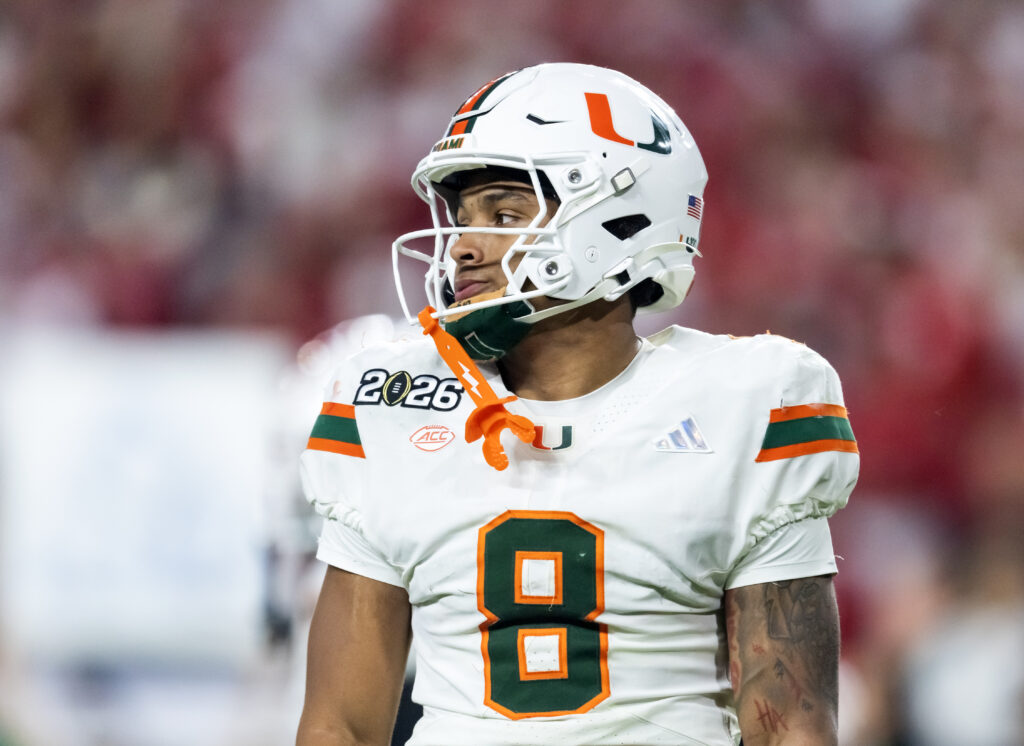
11. Michael Taaffe, Texas
Taaffe stands out with elite coverage instincts and the ability to read quarterbacks from depth. He consistently anticipates route concepts and breaks on the ball with strong timing. His communication and leadership help organize the secondary, making him a valuable presence on the field. The versatility across multiple alignments adds to his appeal.
In coverage, Taaffe thrives in split-safety or deep roles where his awareness can shine. He processes quickly and positions himself to limit throwing windows. His ability to match routes and contribute in different coverage schemes makes him reliable. He also provides value on special teams, which strengthens his early role.
The concerns center around his frame and limited top-end speed. He can struggle against physicality near the line and has little margin for error vertically. Tackling consistency has improved but still requires monitoring. Even so, his instincts and intelligence give him a clear path to contributing.
Value: Day 3
12. Cole Wisniewski, Texas Tech
Wisniewski projects as a box safety with the size and mentality to contribute near the line of scrimmage. He plays with physicality, attacking ball carriers and filling gaps with purpose. His background shows in his tackling ability and awareness in short areas. When kept in tight spaces, he can be effective against the run.
He fits best in a role that emphasizes run support and matchups against tight ends. Wisniewski shows enough awareness in zone to hold his own in coverage underneath. His ability to operate near the box gives him value in early-down situations. With development, he can carve out a defined role in the right system.
The limitations come from his range and movement skills, which restrict his effectiveness in coverage. He lacks fluidity in transitions and struggles to recover when out of position. Injuries have also impacted his development. As a result, he projects as a depth piece with situational value.
Value: Day 3
13. VJ Payne, Kansas State
Payne offers an appealing blend of size, speed, and coverage ability that fits the modern safety role. He can align across multiple spots and has shown the ability to match up with tight ends effectively. His range and ball tracking allow him to make plays in coverage. The physical tools give him clear upside.
In coverage, Payne is best utilized in space, where he can read the quarterback and react. He has the speed to handle deep responsibilities and the length to contest catches. His versatility allows him to rotate between roles depending on the scheme. When used correctly, he can impact multiple phases of the defense.
The concerns come in run support and consistency, where he lacks aggression and struggles to disengage. Tackling technique also needs improvement in open space. His play can fluctuate from year to year, creating some projection risk. Still, the athletic profile gives him a chance to develop into a starter.
Value: Day 3
14. Robert Spears-Jennings, Oklahoma
Spears-Jennings brings elite speed and physicality, particularly in run support situations. He attacks downhill with force and shows the ability to disrupt plays at the line. His range allows him to cover ground quickly from deeper alignments. The athletic traits are evident throughout his film.
He projects as a developmental safety who can contribute early on special teams. His speed gives him value in coverage units and situational defensive roles. When playing downhill, he can impact the run game effectively. With refinement, he has the upside to potentially be one of the biggest steals in the entire draft.
The main issue is coverage consistency, as he struggles with processing and positioning. Receivers can find space in his zones, and man coverage remains a challenge. His technique also became inconsistent later in his career. Because of that, he will need a lot of development to reach his ceiling.
Value: Day 3
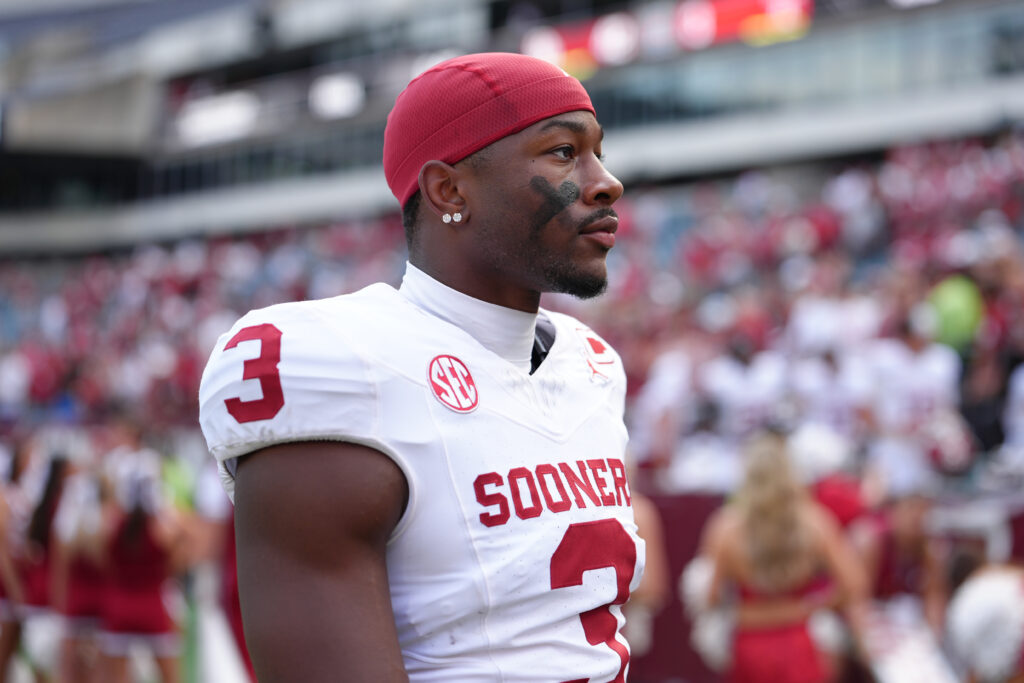
15. Bishop Fitzgerald, USC
Fitzgerald’s strength lies in his coverage instincts and ability to read quarterbacks. He consistently positions himself well and reacts quickly to developing plays. His ball skills show up across multiple systems, producing turnovers at a steady rate. The awareness and anticipation stand out on film.
He fits best in deep coverage roles where he can rely on instincts rather than athleticism. Fitzgerald reads route concepts effectively and breaks on the ball with confidence. His ability to process quickly allows him to overcome some physical limitations. In the right scheme, he can be a productive coverage safety.
The concerns center on his athletic testing, which raised questions about his range. He can struggle against faster receivers and lacks top-end speed. Run defense and physical matchups are also areas of concern. Despite that, his instincts give him a chance to outperform expectations.
Value: Day 3