
The 2026 tight end class is one of the more intriguing groups in this draft cycle because it offers a wide range of skillsets rather than one clear mold. There is a true high-end receiving weapon at the top, but what really makes this class interesting is the depth of role-specific players who can develop into valuable pieces. Whether it is athletic mismatches, reliable blockers, or developmental upside prospects, there are multiple tight ends here who can outperform their draft value in the right system.
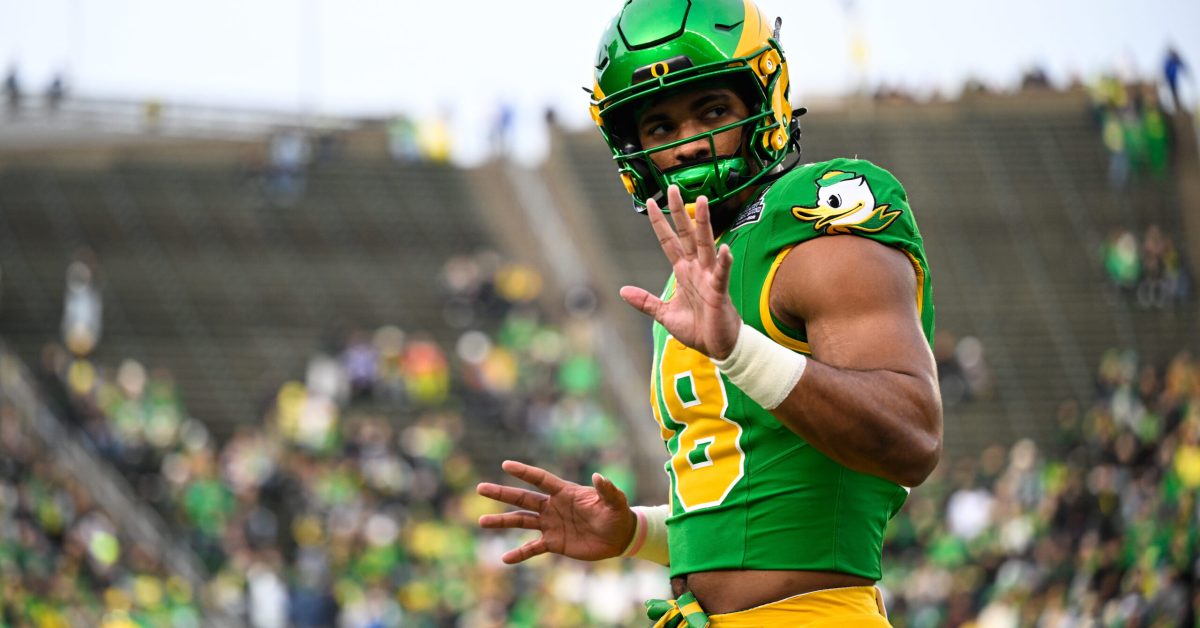
1. Kenyon Sadiq – Oregon
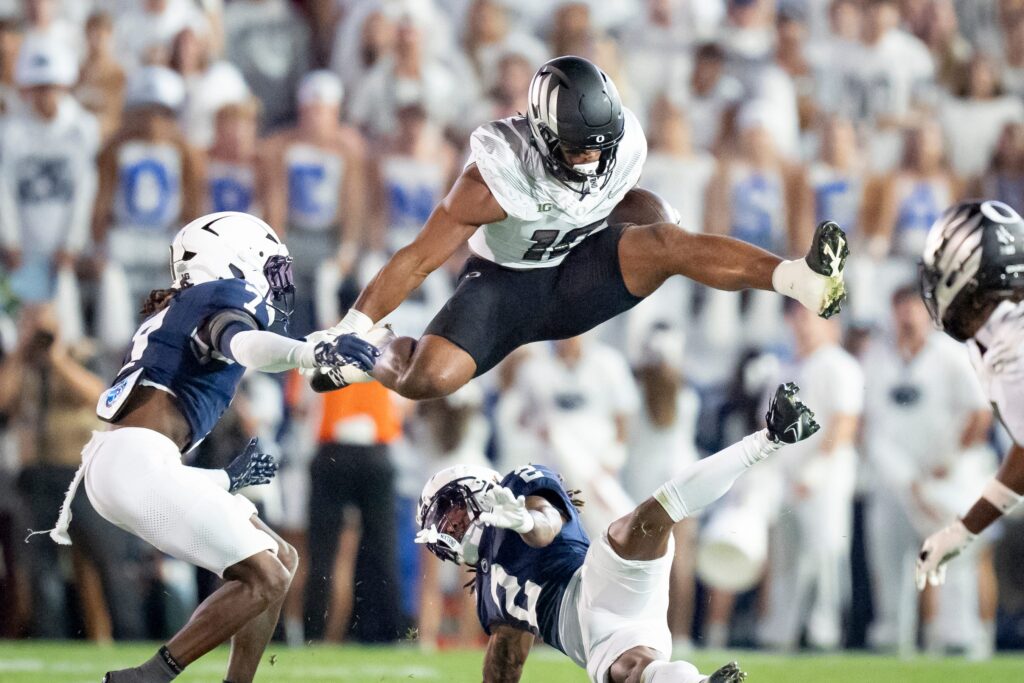
Kenyon Sadiq stands out as the clear TE1 and one of the most dangerous offensive weapons in this class. His athletic profile is rare, combining elite speed with explosive movement skills that you almost never see at the position. He consistently creates separation down the field and is a nightmare matchup for linebackers and safeties. Once he gets into space, he has the ability to turn routine plays into explosive gains.
Sadiq’s impact in the red zone is just as impressive. He tracks the ball extremely well, wins in contested situations, and has the body control to make difficult catches look easy. Oregon used him all over the formation, and he produced against top competition, especially in big moments. His hands are reliable overall, and his versatility makes him a true offensive weapon.
The main concerns come with his size and blocking ability. He is lighter than most traditional tight ends and still needs to improve his technique and strength at the point of attack. There are also occasional concentration drops that show up on tape. Even with that, his receiving ability and athletic upside make him a clear first round talent and the top tight end in this class.
Value: 1st Round
2. Eli Stowers – Vanderbilt
Eli Stowers is one of the more well-rounded receiving tight ends in this class, combining solid athletic traits with consistent production. He has good speed for the position and can stretch the field, forcing defenses to account for him vertically. His movement skills allow him to create separation, and he is comfortable lining up in multiple spots across the formation.
One of the more unique aspects of Stowers’ game is his background as a quarterback, which shows up in how he reads defenses and finds open space. He understands how to settle into zone coverage and present himself as a reliable target. His catch radius and hands make him effective in contested situations, and he consistently produces when given opportunities.
The concerns come with his size and blocking ability. He is not built to handle physical defenders consistently, and his run blocking still needs development. There are also some minor drop concerns that have appeared. Still, his combination of production, athletic ability, and versatility makes him a strong second-round value.
Value: Round 2
3. Oscar Delp – Georgia
Oscar Delp is one of the more polarizing prospects in this class because of the gap between his traits and production. Physically, he checks nearly every box. He has ideal size, strong speed for the position, and the athletic tools to become a high-level receiving tight end. He can stretch the field and has the ability to create mismatches against slower defenders.
What gives Delp a solid floor is his blocking ability. He is one of the better blockers in this class and can contribute immediately in the run game. His effort and improvement in pass protection add to his value and make him a more complete player than his production suggests.
The biggest concern is his lack of statistical impact. For a player with his tools, the numbers simply were not there, which raises questions about his fundamentals as a receiver. He also struggles at times with physical defenders and does not consistently finish through contact. Still, the upside is clear, and he has the potential to develop into a quality starter.
Value: Rounds 2–3
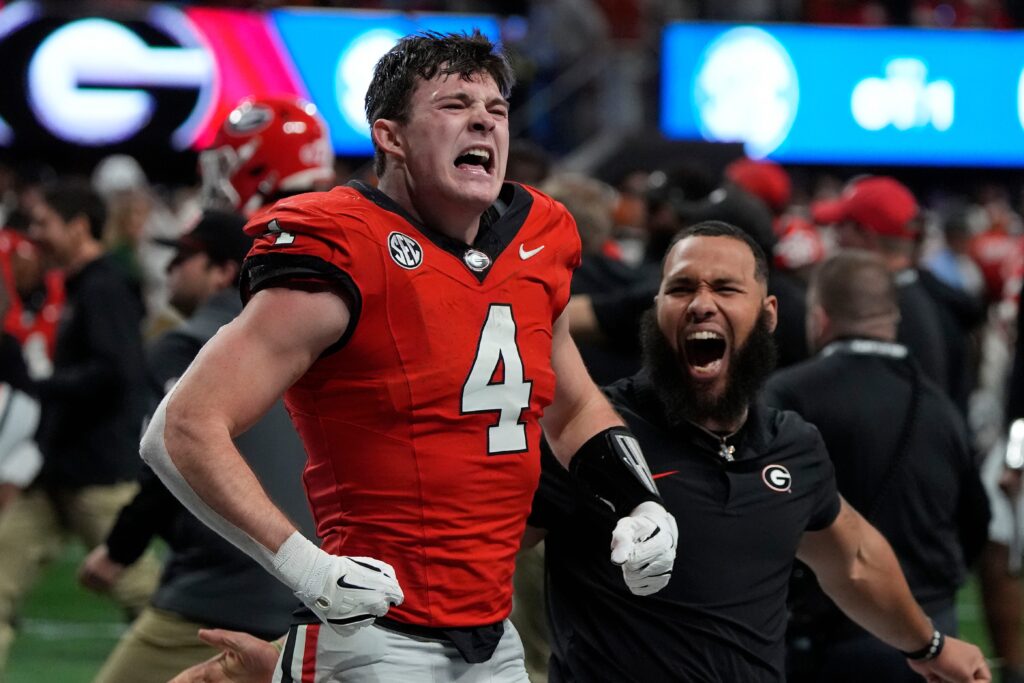
4. Sam Roush – Stanford
Sam Roush is a unique prospect because of his size and surprising athleticism. At nearly 270 pounds, he brings a physical presence that immediately stands out, but he also has impressive explosiveness and movement skills that give him additional upside. His ability to combine size and athletic traits makes him an intriguing option in the middle rounds.
Roush is at his best as a blocker. He plays with strength and effort, consistently working to finish plays and contribute in the run game. He is comfortable lining up inline and handling physical responsibilities, which gives him a clear role early in his career. As a receiver, he has shown steady improvement and can be effective working the middle of the field.
There are still areas that need refinement. His hands can be inconsistent, and his route running lacks sharpness, which limits his separation ability. Even with those concerns, his overall profile as a strong blocker with developing receiving ability makes him a solid mid-round option.
Value: Round 3
5. Max Klare – Ohio State
Max Klare is one of the more natural receiving tight ends in this class, showing fluid movement skills and the ability to run a full route tree. He creates separation with his route running and has the speed to threaten defenses down the field. His ability to produce on intermediate and deep routes makes him a valuable option in the passing game.
He also brings versatility, lining up in multiple positions and giving offenses flexibility in how they use him. After the catch, he shows good awareness and the ability to pick up extra yards. When he is in rhythm, he can be a consistent contributor as a receiver.
The main concerns come with his blocking and physical development. He lacks the strength to consistently hold up at the point of attack and will need to add more mass. There are also some inconsistencies with his hands and overall production. He projects best as a receiving-focused tight end early in his career.
Value: Early Day 3
6. Nate Boerkircher – Texas A&M
Nate Boerkircher brings a clear identity as one of the best blocking tight ends in this class. He plays with aggression and effort, consistently looking to finish blocks and create movement in the run game. His physical style stands out, and he has the tools to contribute immediately in that role.
While his receiving production is limited, there are flashes of potential. He has reliable hands and can make plays when given opportunities, but he was not heavily featured in his offense. His understanding of spacing and ability to find openings add some value as a pass catcher.
The biggest concerns come with his age and limited sample size as a receiver. He will be older than most rookies, which limits his developmental window. Even with that, his blocking ability gives him a clear path to making a roster and carving out a role.
Value: Early Day 3

7. Justin Joly – NC State
Justin Joly is a productive receiving tight end who made his biggest impact as a red zone target. He has strong hands, a wide catch radius, and the ability to win in contested situations. His production speaks for itself, especially when it comes to scoring, and he consistently found ways to contribute in the passing game.
He also shows some route running ability and can create separation at times, making him more than just a situational target. His ability to line up in different spots gives offenses some flexibility in how they use him.
The main limitation is his size, which impacts his blocking ability and overall physical presence. He does not offer much as an inline blocker and will likely be used more as a receiving option. While his upside may be limited, his production and reliability make him a solid late-round option.
Value: Day 3
8. Michael Trigg – Baylor
Michael Trigg is an intriguing prospect with a strong physical profile highlighted by his length and wingspan. He provides a large target for quarterbacks and can make plays on balls outside his frame. His movement skills are solid for his size, allowing him to contribute as a receiver at multiple levels.
He shows the ability to stretch the field and can be effective working intermediate routes. After the catch, he has enough strength and balance to pick up extra yards. His overall tools make him a player worth developing.
The concerns come with his blocking and consistency. He struggles at the point of attack and needs to improve his technique. There are also some questions about his overall development and consistency as a player. Still, his physical traits make him an interesting late-round option.
Value: Day 3
9. Eli Raridon – Notre Dame
Eli Raridon is a high-upside prospect with strong athletic traits and excellent length for the position. He understands how to use his frame to create space and can find openings in zone coverage effectively. His ability to stretch the field vertically adds another layer to his game.
He also brings effort and physicality as a blocker, showing he is willing to contribute in multiple areas. His combination of size and movement skills gives him the potential to develop into a well-rounded tight end.
The biggest concern is his injury history, which is significant and will require careful evaluation. His lack of production also raises questions about his development. He is a risky prospect, but one with clear upside if he can stay healthy.
Value: Day 3
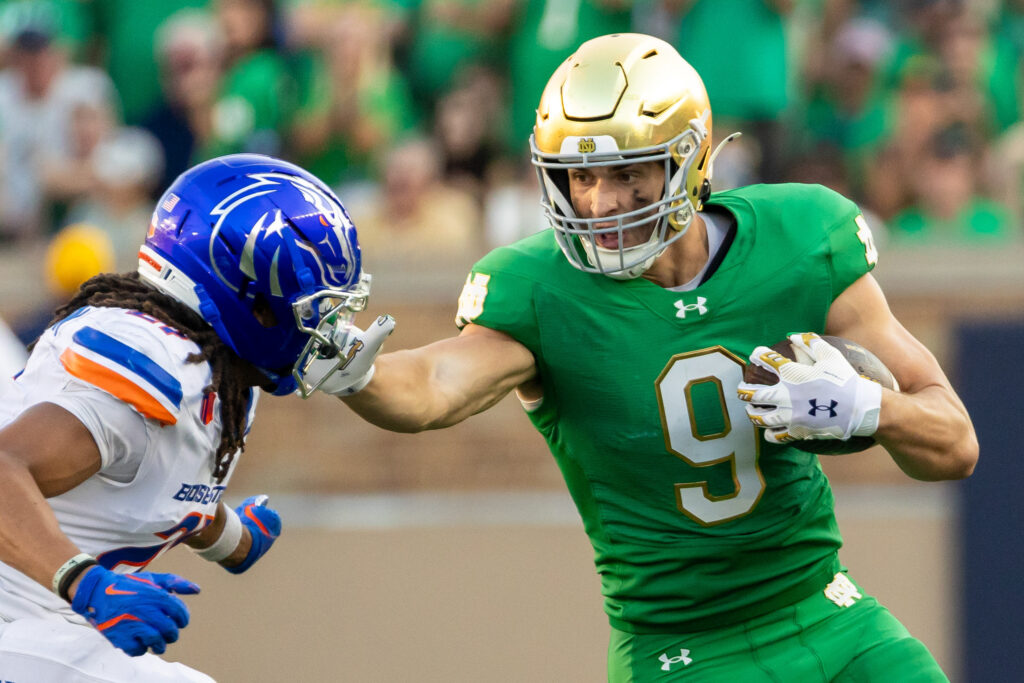
10. Tanner Koziol – Houston
Tanner Koziol is a long, productive tight end who wins with size and reliability as a receiver. He has strong hands and does a good job securing the ball, especially in contested situations. His length allows him to be an effective target in the passing game, particularly in intermediate areas.
He has shown the ability to produce consistently and can be a dependable option when targeted. His experience and durability also stand out, giving him a solid foundation as a prospect.
The limitations come with his lack of athleticism and current frame. He is underweight and struggles as a blocker, which limits his overall role. If he can add strength, he has a chance to develop into a more complete player, but for now he projects as a depth option.
Value: Day 3