
Every fantasy football draft has players who look appealing on the surface but come with far more risk than their draft price suggests. Some are being pushed up boards because of name value, one strong season, or the hope that everything finally breaks right. Others are being drafted so high that even a solid season would not justify the cost.
That is what makes a fades article so important. Avoiding the wrong players can be just as valuable as hitting on the right sleepers, especially when a draft board starts to thin out and managers feel pressure to chase upside. The goal is not to fade talent for the sake of fading talent. The goal is to avoid players whose current price reflects their absolute best-case scenario rather than a realistic expectation.
Here are the fantasy football players I am avoiding in 2026.
Quarterback Fades
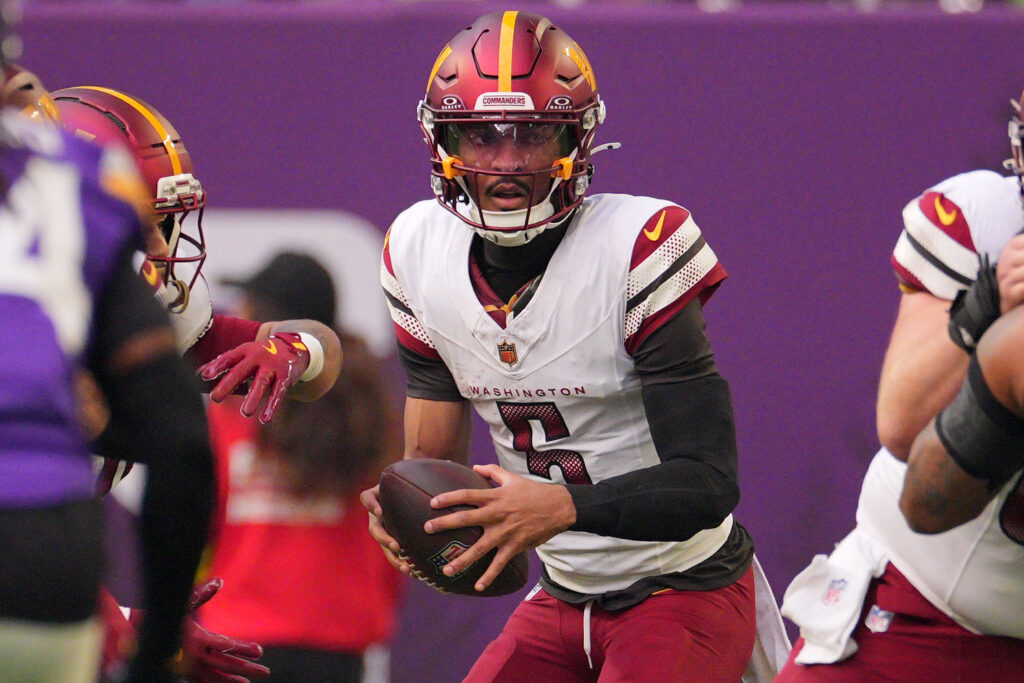
Jayden Daniels, Washington Commanders (Consensus QB3)
Jayden Daniels is one of the most overpriced quarterbacks in fantasy football. Being drafted as the QB3 by ESPN and the QB4 by Yahoo means managers are paying for his ceiling, not for a realistic outcome, and that ceiling is unlikely to be reached.
The problem is not Daniels’ talent. The problem is the environment around him. Washington’s offensive outlook this season is bleak compared to the cost attached to their quarterback. Last season, Daniels struggled to stay healthy, and even when he was on the field, the offense did not consistently produce at the level fantasy managers would want from an elite quarterback. The offensive line was a problem, the receiving talent lacked true difference makers, and the backfield did not have a star who could ease pressure on the passing game.
The Commanders did not make enough meaningful upgrades to change that outlook. The offensive line added no real improvement and now leans on an aging Laremy Tunsil, who could decline. The team also lost its top producers from last season in Deebo Samuel and Zach Ertz, and the starting running back is still Jacory Croskey-Merritt. Washington added Terry McLaurin back healthy, rookie slot receiver Antonio Williams, and Chig Okonkwo at tight end, but that still does not fully solve the issue. If McLaurin has declined even slightly, the rest of the supporting cast does not have enough firepower to carry the offense.
Daniels has the talent to be great, but fantasy football is about opportunity and environment as much as raw ability. This is not the type of supporting cast you want to pay a premium for in redraft, especially when the player in question is coming off injuries and already being drafted at the very top of the quarterback board.
Kyler Murray, Arizona Cardinals (Consensus QB15)
Kyler Murray is one of the riskiest quarterbacks being drafted in fantasy football this year. His consensus QB15 ranking may look reasonable on the surface, but the value is actually far too fragile for where he is going.
Murray has practically never lived up to his fantasy draft cost because he constantly gets pushed up boards based on scrambling upside alone. That appeal is real, but it has also made him one of the most frustrating quarterbacks to roster over the years. Now he enters the season as a 28-year-old coming off injury, and he was outperformed by Jacoby Brissett. That alone should make fantasy managers hesitant.
There is optimism around the situation. Kevin O’Connell is calling the shots in Minnesota, and the offense has strong weapons in Justin Jefferson, Jordan Addison, and T.J. Hockenson. On paper, that looks like an environment that could finally unlock Murray’s ceiling. The issue is that fantasy managers are banking on too many things going right at once. He may not even start the year under center, the injury risk is still looming, and there is always the possibility that he simply struggles again when the games begin.
That is why Murray is such a dangerous pick. If everything goes perfectly, he can justify the cost. The problem is that there are more reliable quarterbacks available later, including players like Matthew Stafford and Jared Goff, who have already shown much higher fantasy ceilings in better offensive environments. Murray is the type of player who can make you feel smart on draft day and disappointed by October.
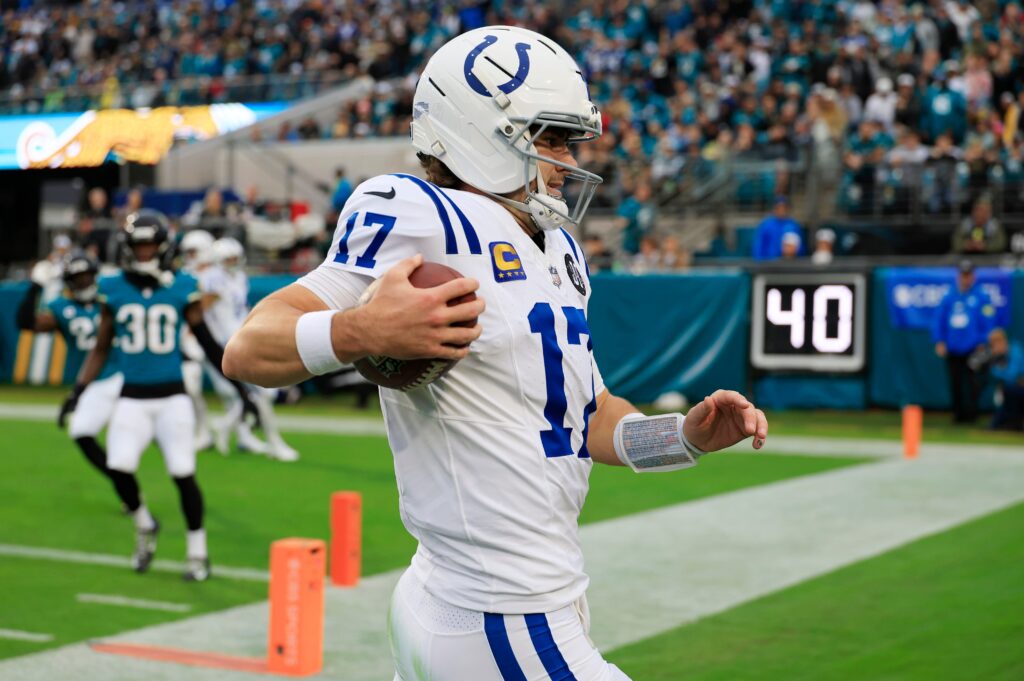
Daniel Jones, Indianapolis Colts (Consensus QB21)
Daniel Jones is another quarterback I am fading at his current value. He enters the season as the consensus QB21, but the cost is tied to a lot of hope and very little certainty.
The Colts got off to a hot start last season, but the schedule played a major role in that success. As I noted throughout last year, they had one of the easiest first-half schedules in the league, and once the competition improved, the team fell apart. Jones also suffered a serious injury that still creates uncertainty heading into this season.
The Colts did very little to make the situation safer around him. They lost starting right tackle Braden Smith to the Texans in free agency and traded away Michael Pittman, Jones’ most reliable receiver. That means fantasy managers are being asked to trust Jones staying healthy, Jonathan Taylor staying healthy, the offensive line not declining, and the receiving corps functioning without Pittman.
That is simply too many things to ask from a quarterback being drafted as a QB2. There are better values later, and the upside is limited compared to players available after him such as C.J. Stroud, Sam Darnold, or Cam Ward. Jones may have some usable weeks, but he does not belong in the range where he is currently being drafted.
Running Back Fades
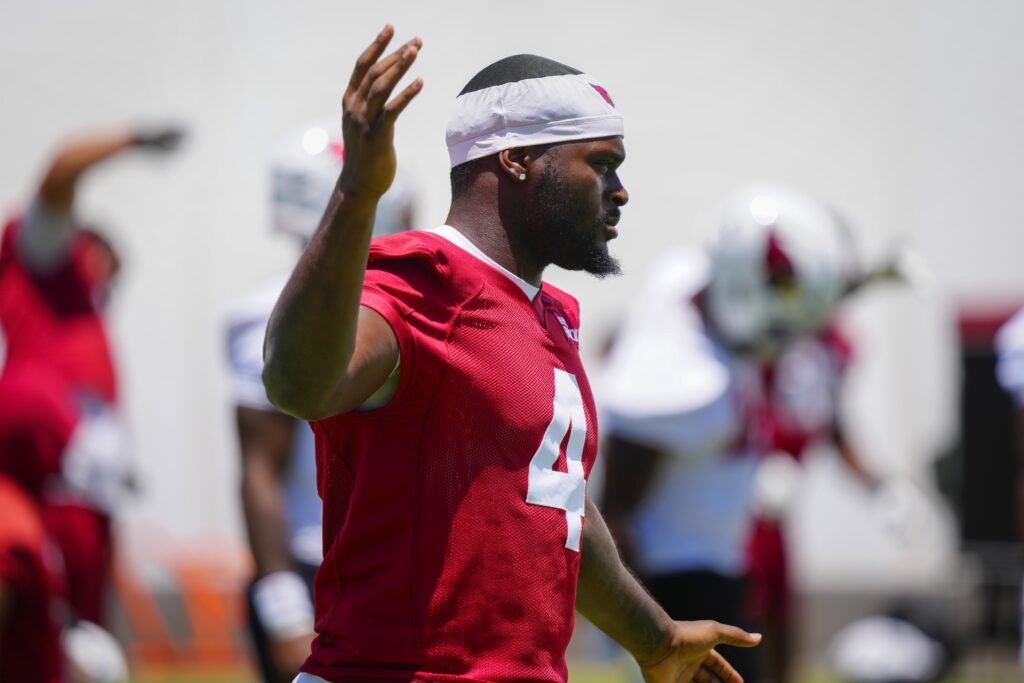
Jeremiyah Love, Arizona Cardinals (Consensus RB12)
Jeremiyah Love looks like a strong value on paper, but in redraft he is much closer to his ceiling than his floor. Being drafted as the consensus RB12 is a bet on talent, draft capital, and projection, but the situation around him is not nearly strong enough to support that price.
The Cardinals have one of the worst quarterback situations in the league, and they also entered the season with a head coach who was not among the most obvious elite hires of the offseason. Their offensive weapons are solid, but the quarterback position remains unsettled with Jacoby Brissett, Gardner Minshew, and Carson Beck all possibilities. None of those options inspire confidence when it comes to generating consistent scoring chances.
The offense may be forced to lean on the run, but that does not automatically make Love a safe pick. Defenses will be able to stack the box, and the Cardinals’ offensive line is not strong enough to consistently win that battle. Even if Love gets around 20 touches per game, he may still struggle to convert those touches into touchdowns and consistent fantasy production.
The backfield depth makes the situation even murkier. Arizona still has James Conner, Trey Benson, and Tyler Allgeier, all of whom are talented enough to command meaningful work. Those are not ordinary backups. Each one has the kind of profile that could lead to 1,000-yard production in the right situation, and all of them create real competition for snaps and touches.
Love may still be the starter, but he is also an unproven rookie on a poor offense that plays in one of the toughest divisions in football. Drafting him at this price means paying for his absolute best-case outcome while ignoring how much of the workload could be compromised by the surrounding situation.
D’Andre Swift, Chicago Bears (Consensus RB20)
D’Andre Swift is a player I am passing on at his current RB20 cost. He finished as the RB14 last season, but the underlying story suggests that production is unlikely to repeat.
A huge portion of Swift’s fantasy value last year came from touchdowns. He was efficient enough to produce, but he barely cracked 1,000 rushing yards in 16 games while serving as the clear top option in the backfield. That kind of season looks better in fantasy than it does in reality, and it is hard to bank on that same level of red-zone efficiency again.
This year, the touchdown total is unlikely to remain so strong. Swift is also getting closer to the veteran decline phase, and his touch share is expected to shrink as Kyle Monangai takes on a larger role. That makes Swift a very expensive bet on production that already looks like it may be peaking.
The Bears offense may still be productive overall, but the better value in this backfield is Monangai, who is going much later despite having a path to a more meaningful role. Swift is still expected to open the season as the starter and handle most of the touches, but that may not last. By the end of the year, the workload could tilt in Monangai’s favor.
Swift is being drafted at or near his ceiling, and that is never where you want to buy a running back with declining efficiency and growing competition.
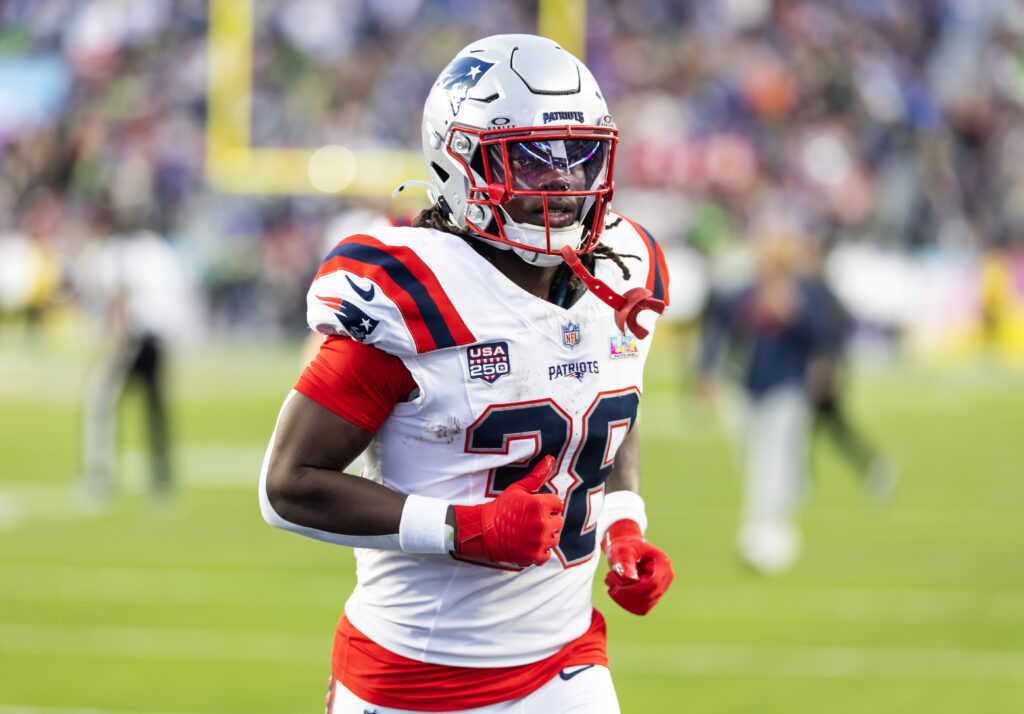
Rhamondre Stevenson, New England Patriots (Consensus RB29)
Rhamondre Stevenson is being valued far too highly as the consensus RB29. That price does not match the role he is likely to have, and it ignores how much of the backfield has already shifted toward TreVeyon Henderson.
Stevenson managed just 603 rushing yards in 14 games as the primary starter for most of the season. Even with the workload, he was not especially efficient, and his fantasy value was heavily tied to touchdowns. He scored nine times last year, but that kind of scoring is not something fantasy managers should bank on repeating, especially with a more explosive player now in the mix.
Henderson is the clear star in this backfield. Despite being a backup, he finished as the RB18 in PPR last season, while Stevenson finished as the RB25 even with a far greater share of the work. The Patriots may not care about fantasy football, but they will care about talent and efficiency, and Henderson offers more of both. That means Stevenson is likely to lose significant touches as both a runner and a receiver.
The biggest issue is that Stevenson was never truly an ideal fantasy asset even when he held the majority of the workload. Now he has lost the biggest advantage he had, and the arrival of Henderson makes it much harder to see where the consistent production is going to come from. At his current price, Stevenson is being drafted at his absolute best-case scenario, while better upside options are available later.
Wide Receiver Fades
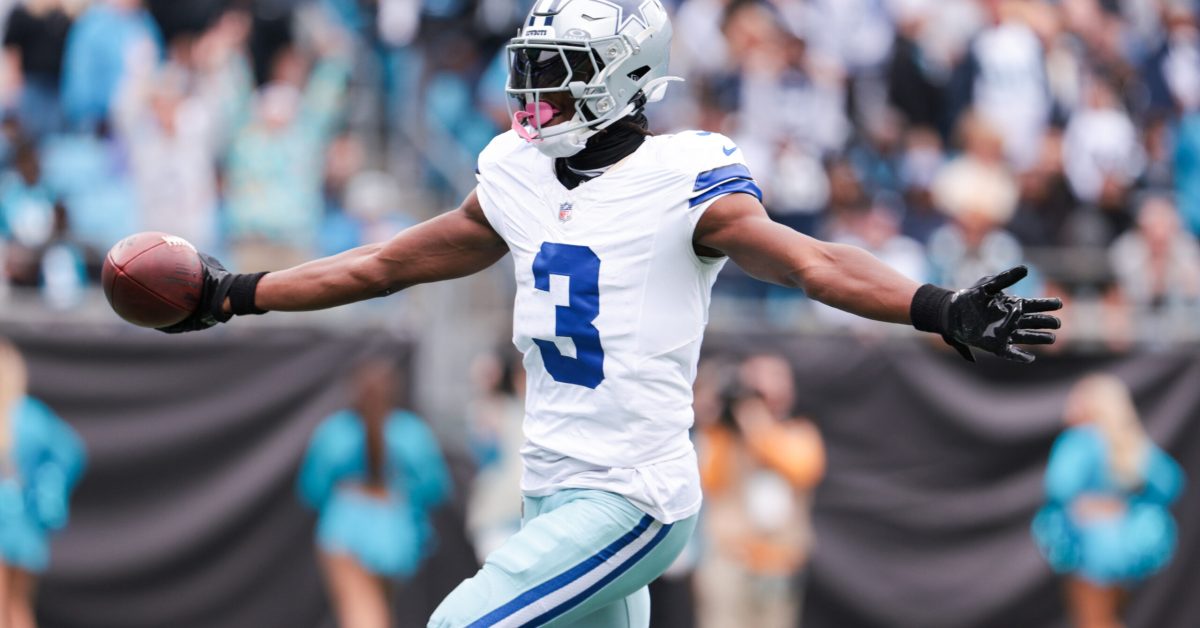
George Pickens, Dallas Cowboys (Consensus WR10)
George Pickens is a player I am fading at his current WR10 price. That ranking is built almost entirely on last season’s production, but last year was a perfect storm that is unlikely to repeat.
Pickens finished as the WR5 in fantasy after posting more than 1,400 receiving yards and nine touchdowns. On the surface, that looks like a breakout year worth chasing. The problem is that the circumstances around that production were unusually favorable. Dak Prescott played every game after missing half the previous season, and CeeDee Lamb’s injury opened the door for Pickens to serve as the top option in a pass-heavy offense.
That kind of role is not as likely to be available this season. When Lamb is healthy, Pickens’ production drops significantly. He would still be fantasy relevant as the secondary receiver, but that is a much different profile than being drafted as a top-10 wideout. If Prescott were to miss time again, the entire offense would become far less attractive.
That is what makes Pickens such a dangerous investment. True alpha receivers can survive quarterback turbulence because they are force-fed targets. Pickens does not have that same insulation. This draft price is asking fantasy managers to believe that last year was the new normal, when it was much more likely an outlier.
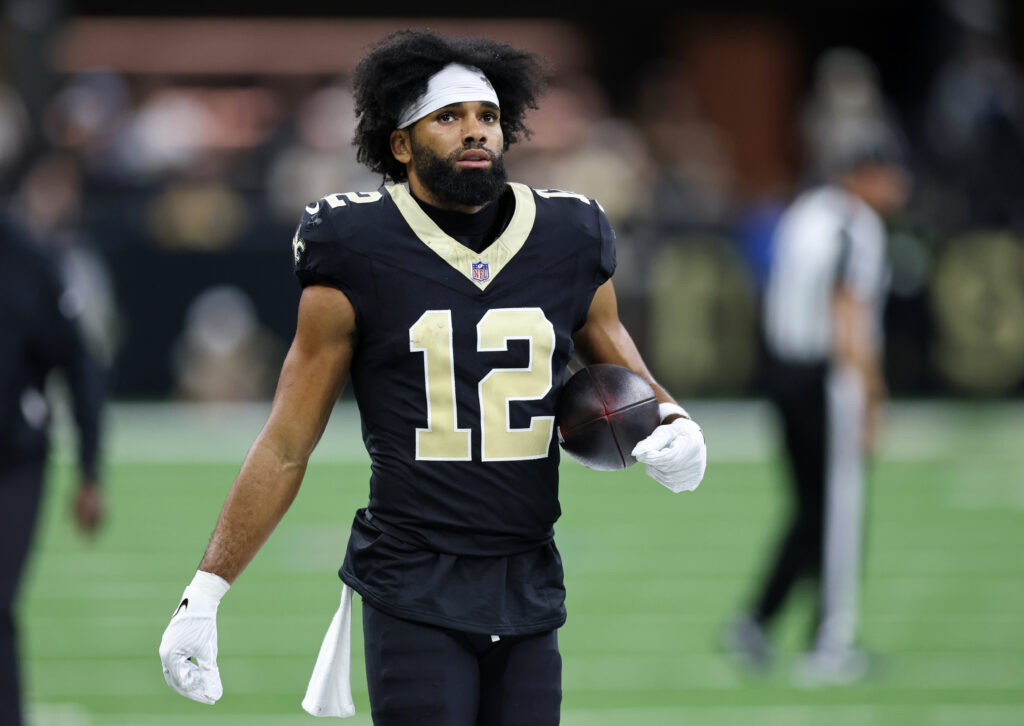
Chris Olave, New Orleans Saints (Consensus WR11)
Chris Olave is one of the clearest fool’s gold players in fantasy football this year. He finished as the WR6 last season, but his current WR11 price asks managers to believe that he can repeat production that was already built on an extremely fragile profile.
Olave has never had a fully healthy season in his four-year career, and that history alone should make fantasy managers cautious. Even last year, when he played 16 games, there were still enough concerns to make it hard to trust him as a consistent weekly building block. Health has always been the biggest issue, and there is little reason to believe that has suddenly changed.
The presence of Jordyn Tyson only makes the situation more complicated. Tyson is a first-round rookie with the talent to challenge for targets immediately, and he could even surpass Olave on the depth chart by season’s end if everything breaks right. That creates real pressure on Olave’s target share, and it introduces another layer of uncertainty into an offense that already carries some volatility.
Olave is talented enough to produce when healthy, but that is not enough to justify the current cost. He likely already produced near his ceiling last season, and the odds are that multiple receivers will outproduce him in 2026 even if he stays on the field. At WR11, the risk is too high and the price is too expensive.
Rome Odunze, Chicago Bears (Consensus WR25)
Rome Odunze is being drafted as the consensus WR25 after finishing as the WR39 last season, and that gap is wide enough to make him an easy fade at cost.
The Bears certainly have target volume available with the departure of DJ Moore, but that does not automatically mean Odunze will be the biggest beneficiary. In fact, the player most likely to take the biggest leap is sophomore tight end Colston Loveland, while Luther Burden is also expected to carve out a major role in the offense. That leaves Odunze in a situation where the target pie may not grow enough for everyone to matter.
Odunze is still young and talented, and he absolutely has the ability to produce as a quality WR2 in fantasy. The issue is that he no longer looks like the premier player in this passing game. By the end of the year, it became clear that he was not the top offensive piece moving forward, and the offense appears to be headed toward distributing production elsewhere.
That makes him the odd man out in a talented but crowded receiving room. There is no doubt he has upside, but the market is pricing him like the clear top option in the offense. In reality, he looks more like the last Bears pass-catcher I would invest in at his current cost.
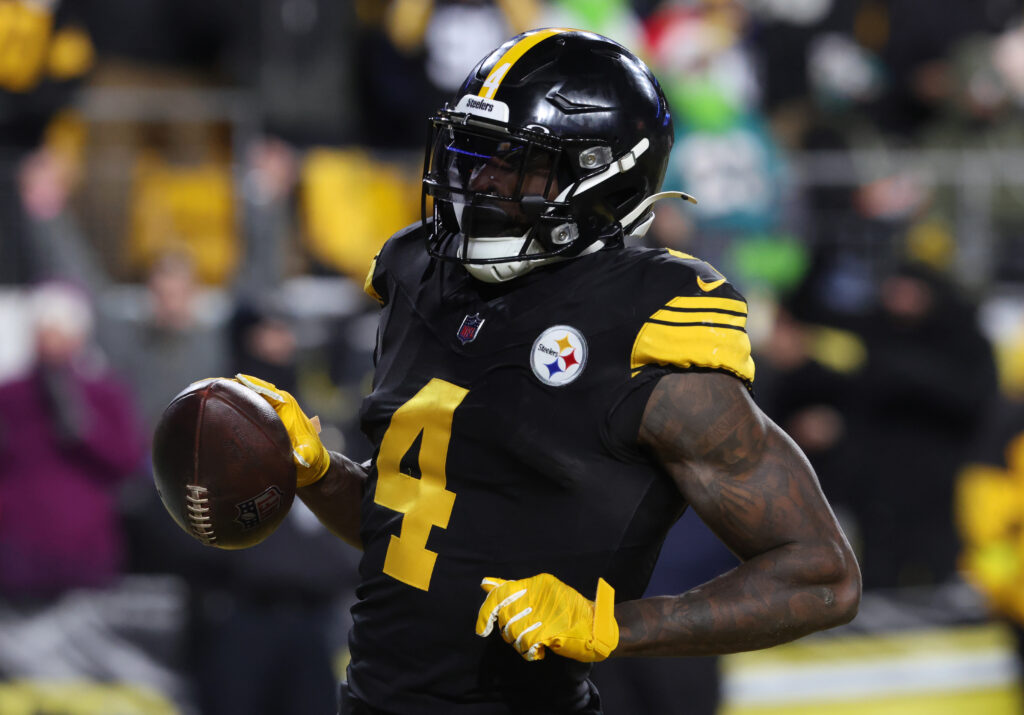
DK Metcalf, Pittsburgh Steelers (Consensus WR29)
DK Metcalf is another receiver I am fading this season. As the consensus WR29, he is being drafted as if his current situation is stable, but the reality is that there are too many variables working against him.
Metcalf finished as the WR26 last season despite being the clear top receiving threat on his team. Even then, he remained frustratingly inconsistent from week to week. He will have spike games because his physical profile always creates big-play potential, but fantasy managers need more than occasional ceiling performances when drafting a receiver in the WR3 range.
The new Steelers situation is also not especially appealing. Mike McCarthy is in as the head coach, Aaron Rodgers is 42 years old, and the offense does not look particularly fantasy friendly. On top of that, Metcalf will face far more target competition than he did last season. The addition of Michael Pittman and second-round rookie Germie Bernard means Pittsburgh now has three players fighting for the top role in the passing game.
There is a real chance Metcalf is not even the top receiver on the team by the end of the season. Pittman may lead the Steelers in receptions, and Bernard has the kind of route-running ability that could allow him to leap both veterans as the year progresses. Metcalf was in a dream fantasy setup last year and still disappointed. That makes it hard to trust him now that the situation appears less favorable.
Jakobi Meyers, Jacksonville Jaguars (Consensus WR37)
Jakobi Meyers is being drafted far too high as the consensus WR37. While he should be a useful player for the Jaguars, fantasy managers are overestimating how much of the passing game he can realistically command.
Meyers is a reliable veteran and a strong chain mover, and there is no doubt that he brings value to Jacksonville’s offense. The issue is that he is not projected to be the focal point of the receiving corps. He will likely be the third option at receiver behind Parker Washington and Brian Thomas Jr., and that is before accounting for Travis Hunter, Brenton Strange, and Bhayshul Tuten, all of whom will also demand touches.
That makes Meyers the odd man out in terms of fantasy value, even if he remains a productive real-life player. Jacksonville has the makings of a strong offense, and I like the value of Lawrence, Tuten, Washington, and Thomas much more than Meyers at their current prices. There are simply too many mouths to feed for Meyers to deliver the level of consistent fantasy production implied by a WR37 ranking.
Tight End Fades
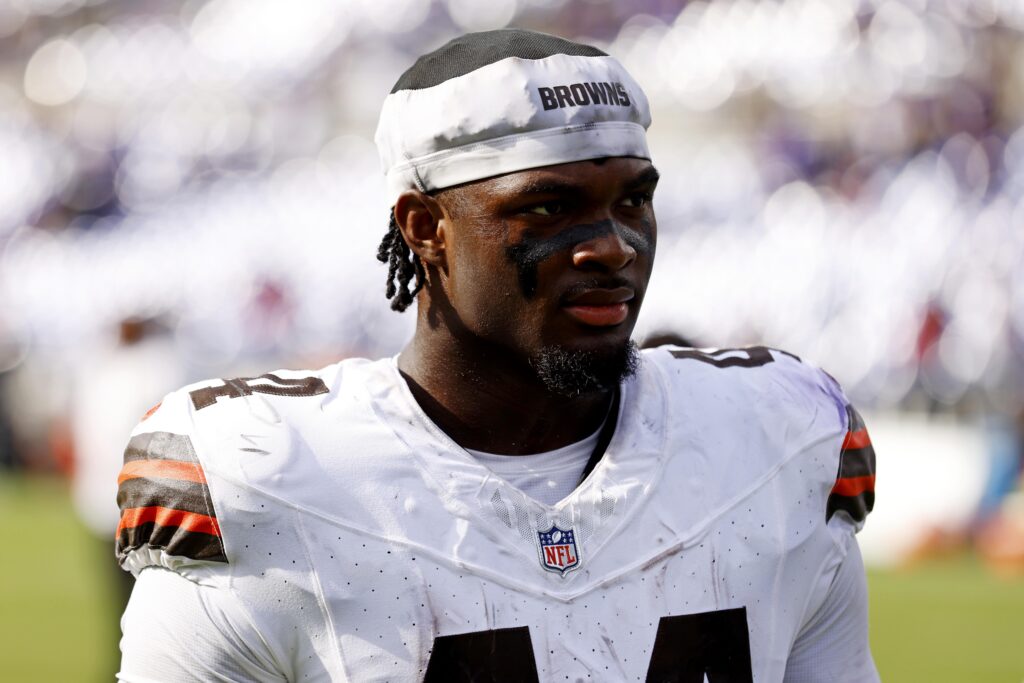
Harold Fannin Jr., Cleveland Browns (Consensus TE5)
Harold Fannin Jr. is a tight end I am avoiding at his current TE5 price. If fantasy managers want an elite tight end, they should draft one of the elite difference-makers earlier, such as Trey McBride, Brock Bowers, or Colston Loveland.
Fannin is being drafted at his absolute ceiling. The Browns did lose David Njoku, which clears the way for Fannin to be the unquestioned leader of the tight end room, but that does not automatically make him a great fantasy investment. The problem is the overall offensive environment. Cleveland’s quarterback situation is poor, and that alone creates a major ceiling limitation because the offense may struggle to generate enough scoring opportunities.
There is also more target competition than people may realize. The Browns spent first- and second-round picks on wide receivers in KC Concepcion and Denzel Boston, which means the passing game is not as concentrated as some fantasy managers may assume. Fannin may still lead the team in target share, but that is not enough if the offense cannot sustain drives or score touchdowns consistently.
He is clearly a proven talent, but fantasy football is not just about talent. Situation matters, and this is a bad one. If his target share drops even slightly, then fantasy managers are paying a high price for a middle-of-the-pack tight end with limited upside.
Chigoziem Okonkwo, Washington Commanders (Consensus TE16)
Chigoziem Okonkwo is another player I am avoiding despite the sleeper buzz surrounding him. Washington lost Deebo Samuel and Zach Ertz, and many fantasy managers are hoping that opens the door for Okonkwo to become a major part of the passing game. I do not see that happening at a price that justifies his TE16 valuation.
The logic is understandable. McDaniels needs weapons, and Okonkwo appears positioned to be the second option in the offense. But fantasy managers are projecting a breakout that Okonkwo has not yet earned. He had the opportunity to establish himself in Tennessee and never fully separated from the pack. Over four seasons, he never reached 600 yards and never topped three touchdowns, even while playing all 17 games every year.
That profile does not suggest a player who is ready to suddenly become a fantasy difference-maker. He has shown that he can function as a safety valve, but not that he can carry meaningful fantasy volume on his own. The fact that Brenton Strange posted the equivalent of Okonkwo’s best season in far fewer games only makes the comparison look worse.
Okonkwo may be useful in the real NFL, but fantasy managers should not confuse opportunity with upside. At TE16, he is being drafted more for what people hope he becomes than for what he has actually shown.
Final Thoughts
Avoiding overpriced players is one of the easiest ways to strengthen a fantasy roster before the season even begins. The players on this list are not all bad football players. In many cases, they are talented, productive, or clearly capable of helping real teams. The issue is that fantasy football rewards value, and these players are being drafted at prices that leave very little room for profit.