
The 2026 linebacker class is one of the more interesting defensive groups in the cycle because of how varied the skill sets are from top to bottom. There are explosive athletes who can erase space in a hurry, physical run defenders who consistently set the tone between the tackles, and instinctive players who process the game at a high level and stay ahead of blocking schemes. What stands out most is how different each linebacker wins, whether it is through range, physicality, coverage ability, or pure processing speed. This group also features several players who have shown clear year-to-year growth, along with others who already bring polished, translatable traits to the next level. These rankings reflect overall tape impact, consistency, and the ability to influence games in multiple phases of defense.
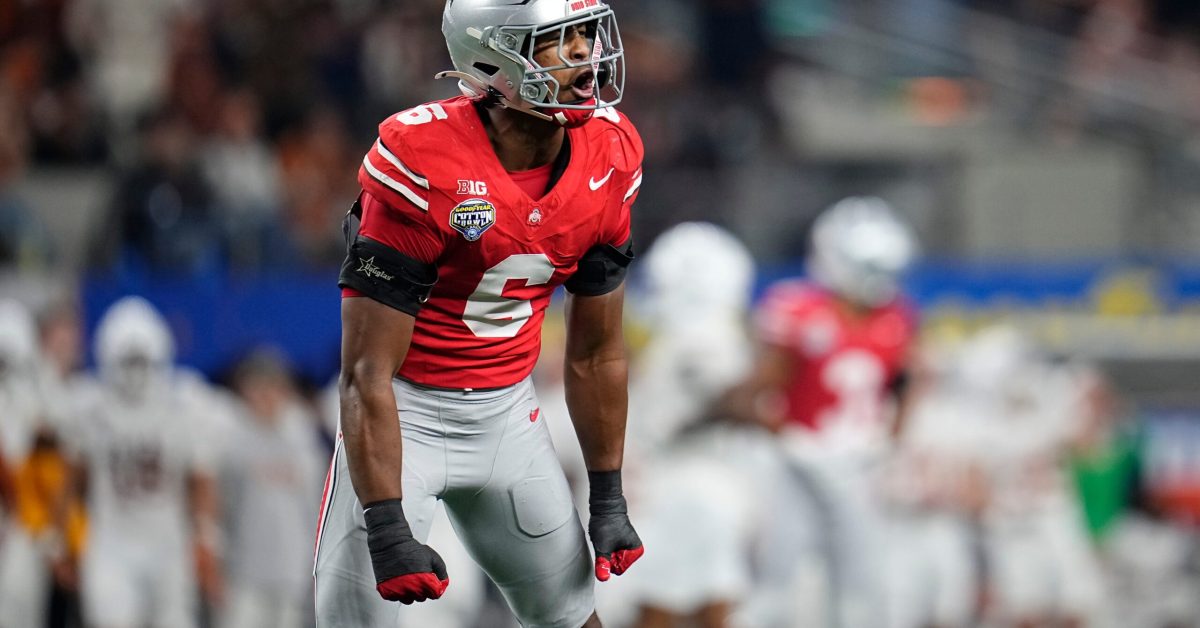
1. Sonny Styles – Ohio State
Styles is one of the most physically impressive defensive players in the entire class, combining rare size, explosive athleticism, and true sideline-to-sideline range that consistently shows up on film against high-level competition. He has the ability to erase space in pursuit, carry tight ends downfield in coverage, and trigger downhill as a blitzer with timing that disrupts offensive rhythm before plays can fully develop. His physical profile alone forces offenses to account for him, and that type of presence at linebacker is extremely difficult to find at the college level.
At the same time, his game is still coming together in terms of consistency, particularly when it comes to eye discipline and maintaining gap integrity against misdirection-heavy offenses. There are moments where his length works against him, especially when he plays too upright and allows blockers into his frame, which creates leverage issues at the point of attack. He also has stretches where he is a step late diagnosing play-action, which can open space behind him at the second level. These are not uncommon issues for a young linebacker with his level of athletic responsibility, but they do show up on tape.
Even with those developmental areas, Styles offers one of the highest ceilings in the entire draft class because of how rare his movement skills are at his size. He projects as a defensive centerpiece who can stay on the field in virtually any situation and still impact multiple phases of the game. The combination of physical traits, leadership presence, and defensive versatility gives him immediate value while still leaving significant room for growth. He is the type of player defensive coordinators can build around rather than simply plug into a role.
Value: Early Round 1
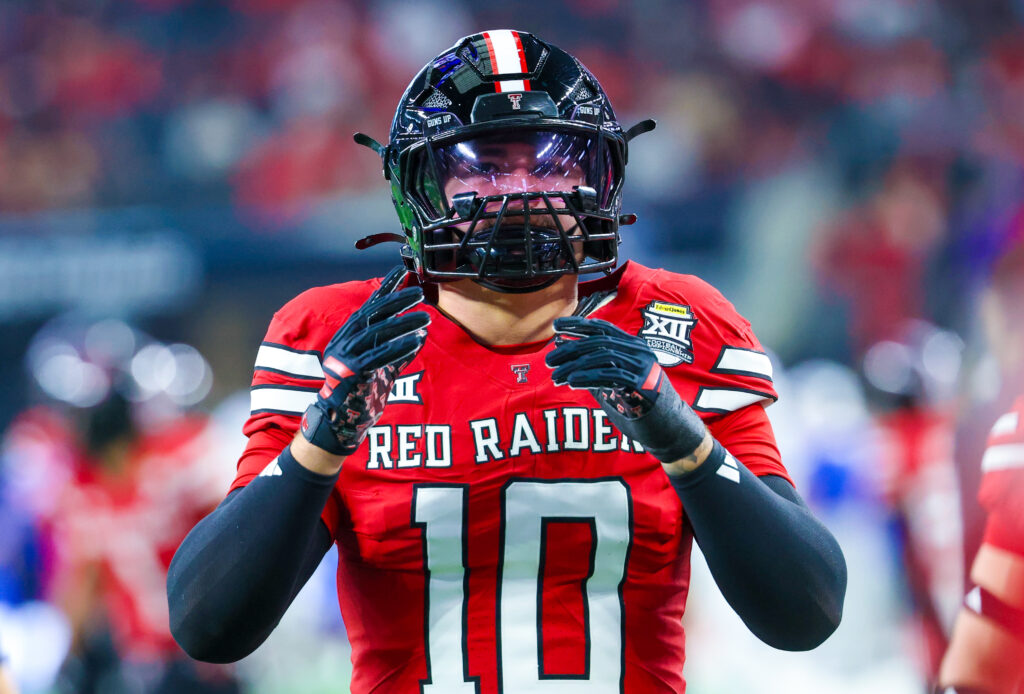
2. Jacob Rodriguez – Texas Tech
Rodriguez is one of the most instinctive and production-driven linebackers in the class, consistently finding himself around the football due to his ability to diagnose plays quickly and anticipate offensive intent before it fully develops. His background as a former quarterback shows up clearly in how he processes formations and communicates adjustments, which allows him to function as a true defensive signal-caller. He is especially dangerous when it comes to forcing turnovers, showing refined technique when attacking the football and an aggressive mindset that creates splash plays.
What makes Rodriguez so effective is how consistently he plays within structure while still finding ways to impact the game beyond his assignment. He rarely looks overwhelmed by tempo or formation variation, and his processing speed allows him to trigger downhill without hesitation when the read is clean. That mental clarity gives him a high level of reliability in the middle of a defense, especially in zone-heavy systems that ask linebackers to read the quarterback and react underneath. His tackling and pursuit angles are generally solid, which helps him stay efficient rather than relying purely on athleticism.
The main concerns come from his physical profile and long-term ceiling, particularly his age and limitations when matching more explosive athletes vertically in space. He is not the type of linebacker who overwhelms opponents with traits, but rather one who wins through anticipation, positioning, and football IQ. That said, those qualities translate extremely well to the NFL, especially in systems that prioritize communication and discipline. Rodriguez profiles as a dependable defensive leader who can immediately elevate a unit’s consistency while providing turnover production.
Value: Round 1–2
3. Anthony Hill Jr. – Texas
Hill is an explosive, high-energy linebacker who consistently plays with elite range and closing speed, allowing him to impact plays from sideline to sideline in both the run and passing game. His ability to track down ball carriers from the backside and erase angles in pursuit stands out immediately on tape, and he brings legitimate pass-rush ability that allows defensive coordinators to use him creatively as a blitzer. When he is playing fast and decisive, he looks like a player who can change the momentum of a game with his athletic traits alone.
His development, however, is still centered around consistency and discipline, particularly when it comes to diagnosing misdirection and maintaining proper run fits on extended plays. There are moments where his aggression leads him out of structure, creating cutback lanes that more experienced offenses can exploit. In coverage, he shows natural movement ability but still needs refinement when carrying routes through breaks and staying patient with his eyes in zone drops. These are typical growing pains for a young, highly athletic linebacker being asked to do a lot at a high level.
Even with those areas to clean up, Hill’s upside is extremely difficult to ignore because of how few linebackers can match his combination of speed, length, and burst. He projects as a defensive weapon who can be moved around and deployed in multiple ways depending on game plan, especially in pressure-heavy systems that value versatility. His age and physical tools give him significant developmental runway, and he already flashes impact ability in multiple phases of the game. Hill has clear starter-level traits with room to grow into a much more complete defender.
Value: Round 2
4. CJ Allen – Georgia
Allen is a steady, assignment-sound linebacker who consistently plays within structure and brings a high level of reliability to the middle of a defense, particularly in how he diagnoses run schemes and fills gaps with controlled urgency. He is at his best when playing downhill in a defined role, where his tackling technique and physicality allow him to consistently finish plays at or near the line of scrimmage. His communication skills also stand out, as he functions well as an on-field organizer who helps keep the defense aligned and disciplined pre-snap.
What separates Allen from more volatile linebacker prospects is his consistency, as he rarely puts himself in positions where he is out of control or out of assignment, even when offenses try to manipulate him with motion or play-action. He understands leverage, angles, and pursuit discipline at a high level, which allows him to remain effective even without elite athletic traits. In run defense, he is dependable rather than flashy, but that reliability is valuable in structured defensive systems. His ability to consistently execute his job makes him a trusted presence on the field.
Where he is more limited is in coverage flexibility and lateral explosiveness, especially when asked to match more dynamic athletes in space or carry routes vertically. Those physical limitations may restrict how often he is asked to play in isolated coverage situations at the next level. However, his intelligence, discipline, and tackling reliability give him a strong baseline that translates well to early-down defensive roles. Allen projects as a stable, role-consistent linebacker who strengthens the structure of a defense.
Value: Round 2
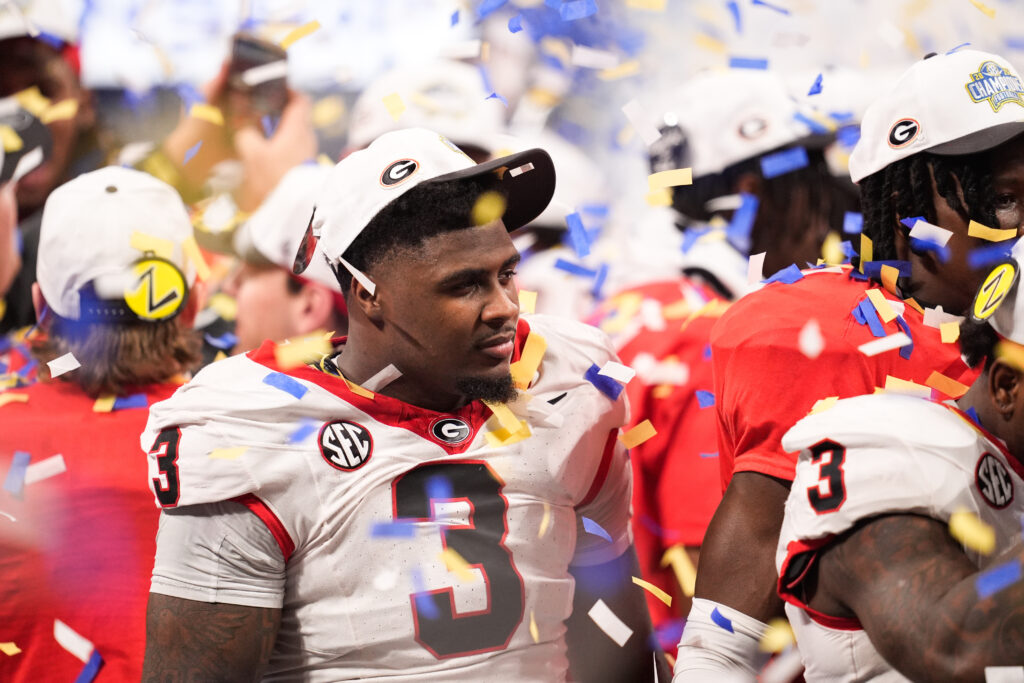
5. Jake Golday – Cincinnati
Golday brings an intriguing combination of size, athleticism, and versatility after transitioning from an edge rusher role into off-ball linebacker, and that background shows up in how he attacks downhill and times his movement through gaps. He has the ability to cover ground quickly in pursuit and flashes real impact potential when used as a blitzer, where his experience on the edge gives him an added dimension as a pressure defender. His physical tools suggest a player who can be deployed in multiple ways depending on defensive creativity.
At the same time, he is still developing the processing side of the position, particularly when it comes to reading blocking schemes and reacting to more complex offensive looks. There are moments where he plays a half-step behind the action mentally, which can delay his trigger and reduce his impact despite his athletic ability. In space, he shows functional movement skills but is still learning how to consistently maintain positioning and leverage against more experienced route concepts. These are expected growing pains for a relatively new off-ball linebacker.
Despite those developmental concerns, Golday’s athletic profile and versatility give him clear value as a modern defensive chess piece who can be moved around and utilized in multiple packages. His ability to contribute as a blitzer, run defender, and occasional coverage piece creates scheme flexibility for defensive coordinators willing to be patient with his growth. He already brings energy, physicality, and range that translate well to rotational usage. Golday has the tools to grow into a much more complete linebacker with time and refinement.
Value: Round 2
6. Kyle Louis – Pittsburgh
Louis is a highly fluid and instinctive linebacker who thrives in space, where his change of direction skills and coverage awareness allow him to function as a disruptive presence underneath passing concepts. He reads the quarterback well in zone situations and shows natural ability to close throwing windows quickly once he identifies the direction of the play. His movement skills translate especially well in sub-packages, where he can operate in space and avoid constant engagement with offensive linemen. When clean, he is capable of consistently impacting passing lanes and creating turnover opportunities.
The limitations in his game become much more apparent when he is forced into physical, between-the-tackles situations against larger blockers. He can struggle to disengage once offensive linemen latch onto his frame, and his lack of play strength shows up when trying to stack and shed at the point of attack. In the run game, he is more reactive than controlling, which can lead to him getting washed out of gaps when traffic builds inside. Those issues make him more dependent on scheme fit than some of the more complete linebackers in the class.
Even with those concerns, Louis brings clear value as a modern coverage-focused linebacker who can stay on the field in passing situations and handle responsibilities in space. His athletic profile and instincts give him real utility in nickel-heavy defenses that prioritize speed over size at the second level. He has enough versatility to carve out a consistent role early in his career while continuing to develop physically. Louis projects as a matchup-oriented defender who can influence the passing game in the right system.
Value: Round 3
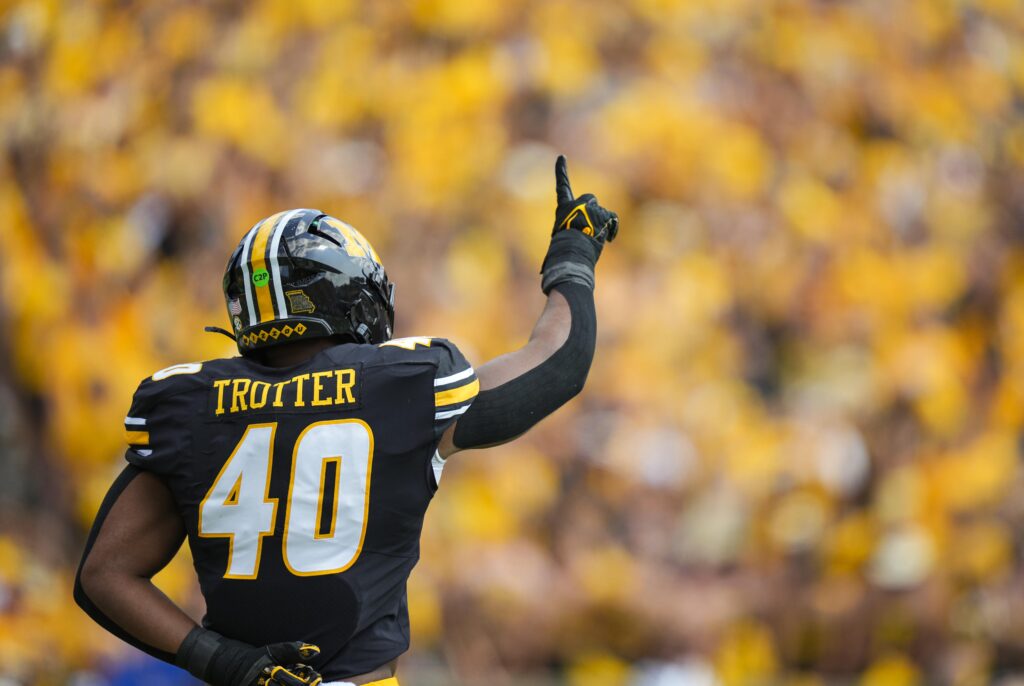
7. Josiah Trotter – Missouri
Trotter is a physical, downhill linebacker who plays with clear intent in the run game, consistently diagnosing blocking schemes quickly and attacking gaps with force before plays can fully develop. His ability to read interior run action and trigger downhill allows him to consistently arrive near the line of scrimmage, where he uses his strength and leverage to disrupt ball carriers. He brings a direct, no-nonsense style of play that translates well to early-down defensive situations. His tackling consistency adds to his reliability in the box.
Where his game becomes more limited is in coverage and lateral mobility, where he can struggle to match more athletic tight ends and running backs in space. His range is more linear than fluid, which can make it difficult for him to recover when plays extend beyond the initial point of attack. He is also less effective when forced to operate in open space, where quicker direction changes expose some stiffness in his movement. These limitations naturally reduce his three-down upside in more modern defensive structures.
Even so, Trotter brings real value as a run-stopping linebacker who can control the interior of a defense and consistently finish plays in tight quarters. His physical style and quick diagnosis of run concepts make him a dependable early-down presence who does not require complex responsibilities to be effective. He fits best in systems that prioritize gap control and physicality at the second level. Trotter offers a clear, defined role with legitimate impact against the run.
Value: Round 3
8. Kaleb Elarms-Orr – TCU
Elarms-Orr is a developing linebacker with good range and effort who has shown noticeable improvement in his run defense consistency, particularly in how he diagnoses plays and triggers downhill more decisively than earlier in his career. He has the athletic tools to cover ground in pursuit and shows flashes of being a reliable sideline-to-sideline defender when his reads are clean. His ability to contribute as a blitzer also adds value, especially in packages that allow him to attack gaps freely. There is a clear upward trajectory in his overall development.
However, his processing consistency still limits his impact in more complex defensive structures, as he can occasionally hesitate or misread misdirection that pulls him out of position. In coverage, he is serviceable but not particularly disruptive, and quarterbacks have been able to find soft areas when he is responsible for deeper zone drops. His physical profile also puts him in situations where he can be overwhelmed by stronger blockers if he does not avoid contact early. These factors keep him from being a fully reliable three-down option at this stage.
Despite those concerns, Elarms-Orr has clear value as a rotational linebacker who can contribute in run-heavy situations and provide energy in multiple phases of the defense. His growth from earlier seasons suggests he is still ascending, and his athletic profile gives him a chance to continue developing into a more complete player. He is best suited for a role that emphasizes downhill pursuit and controlled usage rather than full-time responsibility. Elarms-Orr offers developmental upside with useful rotational value.
Value: Round 3–4
9. Keyshaun Elliott – Arizona State
Elliott is a disciplined and physical linebacker who plays with strong instincts against the run, consistently diagnosing blocking schemes quickly and filling gaps with controlled aggression. He is at his best when playing downhill, where his ability to trigger at the right moment allows him to meet ball carriers near the line of scrimmage and limit yards after contact. His communication skills also stand out, as he functions effectively as a defensive organizer who keeps the unit aligned pre-snap. He brings a steady, assignment-focused presence to the middle of the defense.
Where his game is more limited is in coverage and lateral range, where he can struggle to match quicker backs and tight ends in space. His movement skills are more functional than dynamic, which can create issues when he is forced to redirect or recover after an initial read. In deeper zone responsibilities, he can be a step late reacting to route combinations, which limits his effectiveness in passing situations. These traits naturally cap his usage in modern, pass-heavy defensive schemes.
Even with those limitations, Elliott brings real value as a reliable early-down defender who can stabilize the run defense and contribute in pressure packages. His blitz timing and willingness to attack gaps add another layer to his game that coordinators can use selectively. He projects best in a role that emphasizes structure, discipline, and run defense responsibility. Elliott offers dependable, role-specific value with clear utility in the right system.
Value: Round 3–4
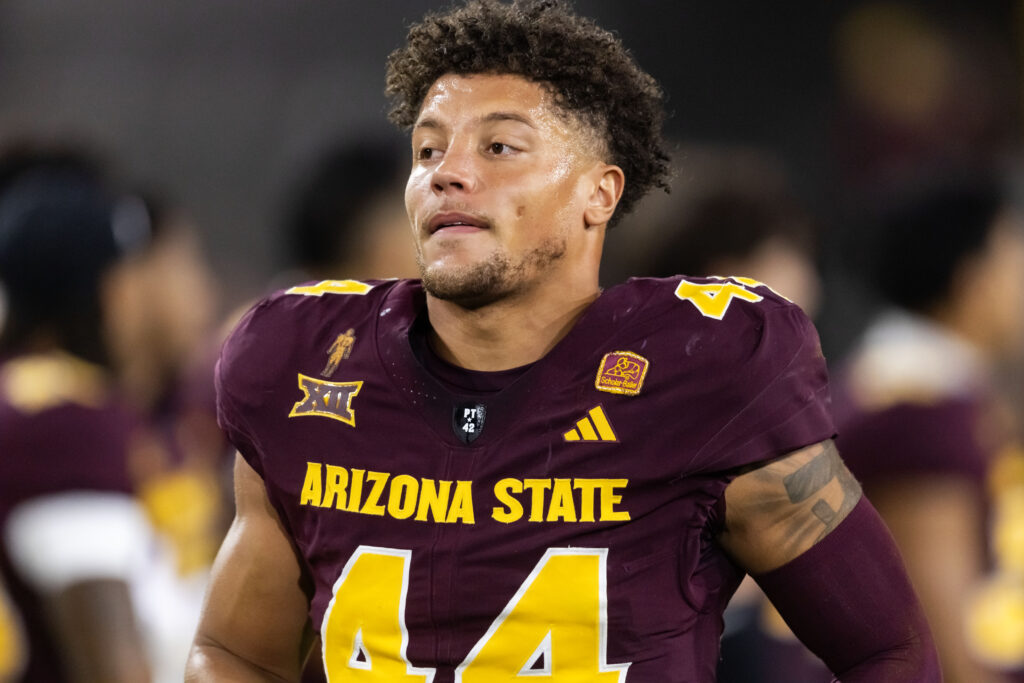
10. Deontae Lawson – Alabama
Lawson is a long, athletic linebacker with strong movement skills and clear versatility, showing the ability to operate in both run defense and coverage situations when playing within structure. He has shown steady improvement in zone coverage, where his ability to read the quarterback and drop with depth allows him to influence throwing lanes effectively. His leadership experience at Alabama also stands out, as he consistently functioned as a communicator and stabilizing presence in the middle of the defense. He brings a well-rounded skill set with developmental upside.
The concerns in his game are centered around consistency in tackling and physical reliability, particularly in how often he finishes plays cleanly in space. While he has the athletic tools to operate across multiple roles, there are moments where he can miss opportunities due to poor angles or overextension in pursuit. His lighter frame also creates challenges when dealing with more physical blockers at the second level. These issues introduce some volatility into his projection.
Even with those concerns, Lawson’s athletic profile and coverage ability give him meaningful value in modern defensive schemes that prioritize range and flexibility. He has the tools to function in multiple roles depending on system design, particularly in nickel-heavy defenses that emphasize movement and disguise. His experience and leadership further strengthen his projection as a trusted defensive piece. Lawson offers a blend of versatility and upside that can be developed over time.
Value: Early Day 3
11. Harold Perkins Jr. – LSU
Perkins is an explosive and highly dynamic defender whose speed and burst immediately stand out, allowing him to impact plays as both a pass rusher and pursuit defender when he is deployed aggressively. He has rare ability to generate disruption in the backfield, especially when used on blitzes or aligned in space where his athleticism can be maximized. His versatility allows defensive coordinators to move him around the formation and create mismatches in pressure situations. When fully healthy and engaged, he is one of the most disruptive athletes in the class.
The limitations in his profile stem primarily from size concerns and inconsistency as an off-ball linebacker, particularly when asked to operate in traditional stacked roles against the run. He can be overwhelmed by larger blockers and struggles at times to maintain balance when engaged directly at the point of attack. In coverage, his results have been inconsistent, with flashes of high-end athletic recovery mixed with lapses in assignment discipline. His post-injury trajectory also raises questions about whether he has fully regained his early-career explosiveness.
Even with those concerns, Perkins brings undeniable impact potential in the right defensive system that maximizes his pass-rush ability and allows him to operate in space. He is best suited for a hybrid role where he can attack downhill and rush the passer rather than being asked to consistently function as a traditional linebacker. His athletic upside still gives him the ability to change games in specific packages. Perkins remains a high-variance but highly intriguing defensive weapon.
Value: Early Day 3
12. Bryce Boettcher – Oregon
Boettcher is an intelligent and disciplined linebacker who consistently plays with strong awareness in zone coverage, showing the ability to read route concepts and close passing windows effectively when operating in space. His communication skills and leadership presence are also clear strengths, as he helps organize the defense and maintain structure pre-snap. He brings reliable tackling technique and consistent effort in all phases of the game. His overall style is built around awareness and execution rather than raw athletic dominance.
The limitations in his profile are tied to physical traits, as his size and strength make it difficult for him to consistently hold up against blockers in the run game or recover in space against faster athletes. He can be moved off his spot when engaged directly by offensive linemen, which reduces his effectiveness in interior run defense. His straight-line speed is adequate but not overwhelming, which limits his ability to recover from misdirection or extended plays. These factors create natural constraints on his role.
Despite those limitations, Boettcher offers real value as a smart, reliable linebacker who can contribute in coverage situations and across multiple special teams units. His football intelligence and consistency make him a trustworthy option in structured defensive systems that emphasize communication and assignment discipline. He projects best as a rotational defender with situational usage in passing situations. Boettcher brings steady, system-dependent value with strong leadership traits.
Value: Early Day 3
13. Taurean York – Texas A&M
York is an instinctive and high-motor linebacker who consistently plays with urgency and awareness, showing the ability to diagnose plays quickly and flow to the football with efficient movement. His coverage development has been one of the more encouraging aspects of his game, as he has improved significantly in zone responsibilities and route recognition over time. He brings strong effort and competitiveness on every snap, which helps him stay involved in plays even when physically outmatched. His reliability and consistency are key parts of his profile.
The limitations in his game are tied to size and strength, particularly when engaging larger blockers who can neutralize him at the point of attack if he does not win early leverage. His ability to disengage in tight spaces is inconsistent, and he can struggle when forced into prolonged physical battles between the tackles. While his coverage has improved, he still lacks elite recovery ability when matched against more dynamic athletes in space. These factors shape his projection at the next level.
Even so, York offers strong value as a developmental linebacker with clear effort, instincts, and improving coverage skills that translate well into rotational usage. He fits best in defensive systems that emphasize speed and pursuit rather than heavy interior physicality. His competitive nature and consistent motor give him a strong foundation to build on. York projects as a reliable rotational defender with room to grow into a larger role.
Value: Early Day 3
14. Aiden Fisher – Indiana
Fisher is a disciplined and fundamentally sound linebacker who plays with strong awareness in the run game, consistently diagnosing blocking schemes quickly and filling gaps with proper timing and positioning. He communicates well within the defense and helps maintain structural integrity pre-snap, which adds value beyond his physical traits. His tackling is generally reliable, and he brings a steady presence to the middle of the defense. His game is built around execution and consistency rather than explosive traits.
The limitations in his profile come primarily from athletic constraints, particularly in coverage situations where he struggles to match quicker backs or tight ends in space. His hip fluidity and recovery speed are not ideal for modern passing offenses, which can expose him in extended coverage responsibilities. In the run game, he can also be overwhelmed when offensive linemen reach the second level with momentum. These issues limit his versatility across different defensive looks.
Even with those concerns, Fisher provides value as a reliable early-down linebacker who understands how to fit run schemes and execute within structure. His communication skills and consistency make him a dependable option in controlled defensive roles. He projects best in systems that prioritize downhill defense and clear assignments. Fisher offers steady, role-specific value with limited but useful impact.
Value: Day 3
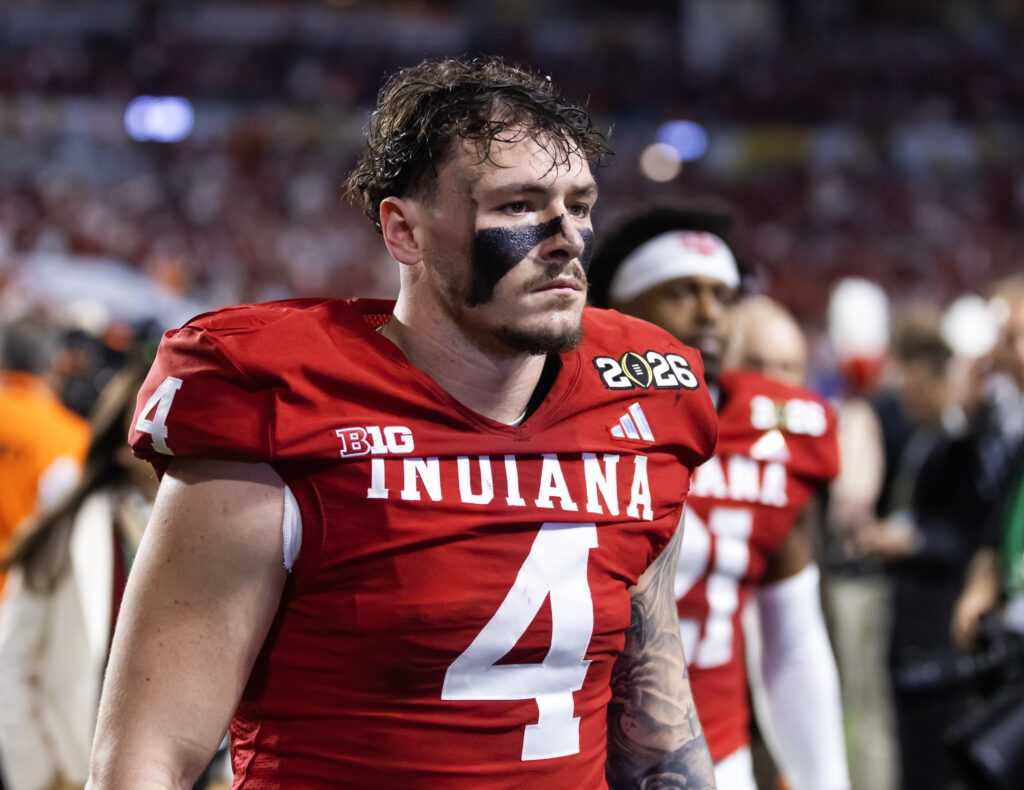
15. Jimmy Rolder – Michigan
Rolder is a physical and disciplined run defender who consistently plays with strong leverage and good tackling technique, allowing him to finish plays cleanly in tight spaces between the tackles. He diagnoses run action quickly and triggers downhill with confidence, often arriving at the point of attack with enough force to disrupt ball carriers before they can build momentum. His ability to navigate congestion in the box stands out, as he maintains gap integrity while working through traffic effectively. His game is centered around physicality and control in the run game.
The limitations in his profile show up most clearly in coverage and lateral mobility, where he struggles to handle extended space or match more athletic pass catchers. When plays move outside the box, his range can be tested, and he can lose leverage when forced into wider pursuit angles. His pass rush impact is also limited, as he does not consistently threaten quarterbacks or generate pressure outside of effort-based situations. These traits restrict his usage in more modern, pass-heavy defensive systems.
Even with those limitations, Rolder brings value as a reliable early-down defender who can control interior run fits and bring physicality to the middle of a defense. His tackling consistency and discipline make him a trustworthy option in structured roles that emphasize run defense. He fits best in systems that allow him to play downhill and avoid extended coverage responsibilities. Rolder offers clear run-game value with defined situational usage at the next level.
Value: Day 3