
The 2026 cornerback class is one of the deeper and more intriguing groups in this cycle, featuring a strong blend of high-end talent and quality depth throughout the board. At the top, there are corners with true CB1 traits who can impact games in both man and zone coverage, while the rest of the class offers a wide range of skill sets that translate to different defensive roles. The strength of this group lies in how many players show the ability to contribute in multiple schemes while still bringing clear individual strengths to the table. These rankings reflect how each prospect performs on tape, emphasizing instincts, coverage ability, and overall impact.
1. Mansoor Delane — LSU
Delane is an instinctive and technically refined corner who consistently diagnoses route combinations before they fully develop, allowing him to position himself in throwing lanes with rare consistency. His fluid hips and controlled footwork let him mirror receivers through breaks without relying on contact, and he maintains strong leverage throughout routes. The ball production reflects his awareness, as he regularly turns positioning into pass breakups or takeaways. He plays with discipline and confidence, rarely giving quarterbacks clean windows to attack.
His ability to process offensive concepts at a high level allows him to function seamlessly in both zone and man coverage, making him one of the more scheme-versatile corners in the class. Delane stays balanced through transitions and shows strong patience at the line, avoiding overcommitting to releases or double moves. His consistency across different matchups stands out, as he rarely has lapses in technique or awareness. That reliability gives him one of the higher floors among top corners in this group.
The main concerns come from his lean frame and shorter arm length, which can show up against bigger receivers in contested catch situations. He can be outmuscled at times and will need to continue adding strength to handle physical matchups over a full season. Even with those limitations, his instincts, discipline, and overall coverage ability point to a high-level starter early in his career.
Value: Early Round 1
2. Jermod McCoy — Tennessee
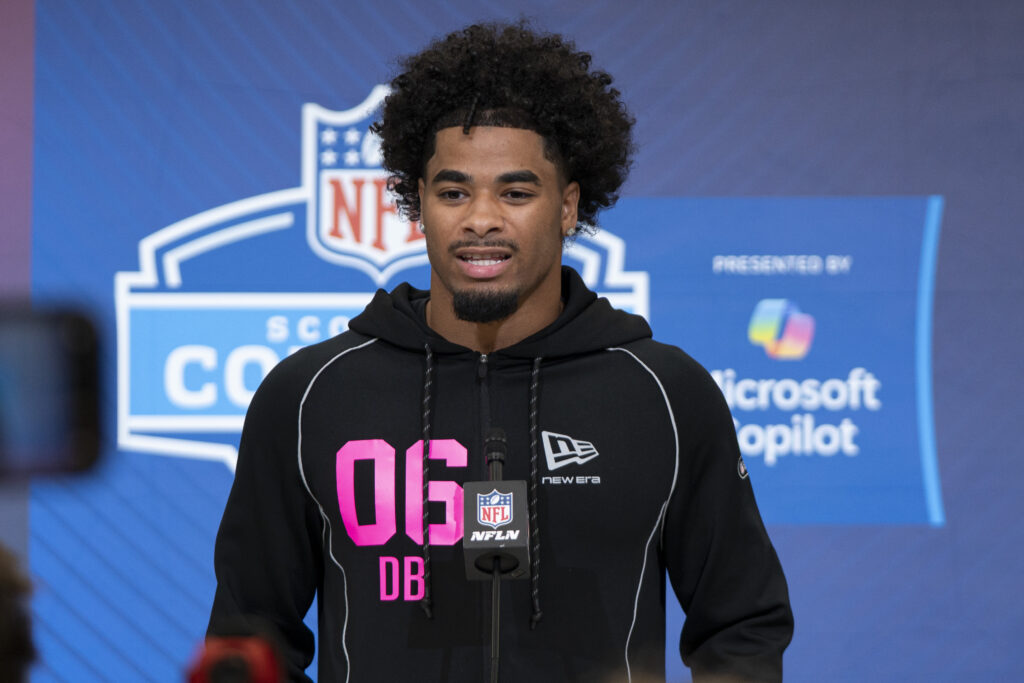
McCoy is a highly polished corner with elite timing, advanced route recognition, and the ability to consistently attack the football at the catch point. He plays with patience in coverage, often baiting quarterbacks into throws before closing quickly with burst and precision. His ball skills stand out immediately, as he tracks the ball naturally and finishes through contact. He rarely looks out of position and consistently forces tight windows.
His transitions are smooth and efficient, allowing him to mirror receivers through breaks without losing speed or balance. McCoy shows a strong understanding of leverage and spacing, which helps him stay in phase against both vertical and intermediate routes. The athletic testing confirmed he has the long speed to carry deep threats, eliminating previous concerns about recovery ability. That combination of instincts and athleticism gives him true CB1 upside.
Durability remains the primary concern following the ACL injury, and he will need to prove he can maintain that level of play over a full season. He can also get grabby when trailing, which may lead to penalties at the next level if not cleaned up. Even with those questions, his overall profile suggests an immediate-impact starter with long-term high-end potential.
Value: Early Round 1
3. Avieon Terrell — Clemson
Terrell is a highly competitive and instinctive corner who plays with strong anticipation and confidence in coverage, consistently putting himself in position to disrupt throws. His ability to read route concepts allows him to react quickly and challenge passing lanes before the ball arrives. He has fluid hips and the speed necessary to stay connected through vertical routes without losing phase. His ball skills are evident, as he actively attacks the football rather than waiting on it.
He brings legitimate versatility with experience across multiple coverage schemes, including press-man, off coverage, and zone concepts, all while maintaining a consistent level of play. Terrell’s competitive nature stands out, as he challenges receivers at every stage of the route and plays through the whistle. He also contributes in run support, showing willingness to step downhill and engage physically. That all-around profile makes him a dependable option in various defensive systems.
The primary concern is his lighter frame, which can be tested by bigger receivers in contested situations at the catch point. He also has moments where he becomes too aggressive and relies on contact, which could lead to penalties at the next level. Despite that, his instincts, effort, and versatility make him a strong starting-caliber corner with clear upside.
Value: Round 1
4. Chris Johnson — San Diego State
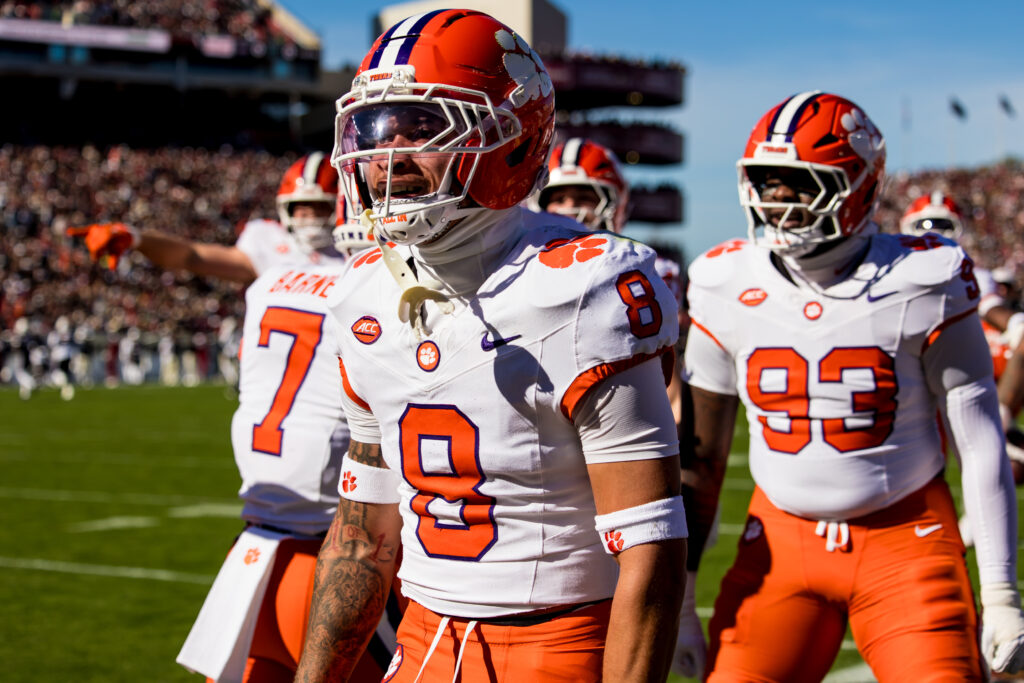
Johnson is a smart and disciplined corner who excels in zone coverage, consistently reading quarterbacks and positioning himself to take away passing lanes. His ability to process route combinations allows him to anticipate throws and create opportunities for turnovers rather than simply reacting. He combines that awareness with strong ball skills, attacking the football with timing and confidence. His athletic testing confirmed the speed and explosiveness that show up on tape.
He offers strong versatility with experience lining up both outside and inside, giving defensive coordinators flexibility in how they deploy him. Johnson is also a reliable tackler who consistently wraps up in space, which adds value beyond coverage. His technique remains consistent across different coverage schemes, allowing him to maintain a high level of play regardless of role. That reliability makes him one of the safer projections in this class.
Concerns revolve around the level of competition he faced and occasional struggles in contested catch situations against bigger receivers. He will need to prove he can consistently handle NFL-caliber route runners and physicality. Even so, his instincts, production, and athletic profile give him a strong foundation as a long-term starter.
Value: Round 1
5. Colton Hood — Tennessee
Hood is a physical press corner who thrives at the line of scrimmage, using strong and well-timed hands to disrupt routes before they develop. His quick feet and fluid hips allow him to stay connected through breaks, especially on shorter and intermediate routes. He also has the recovery speed to close space when initially beaten, limiting explosive plays. His competitiveness shows up consistently at the catch point.
His ability to diagnose releases and react quickly gives him an advantage in man coverage, where he can dictate the rep early. Hood has shown solid ball production and a willingness to challenge receivers throughout routes. He also brings versatility with experience in multiple coverage looks, which helps expand his role at the next level. That combination of traits gives him a strong developmental profile.
The concerns center around inconsistent tackling and penalties that come from his aggressive play style, particularly downfield. His limited starting experience also leaves room for growth in terms of consistency and refinement. Even with those questions, his physical tools and competitive nature make him a strong candidate to develop into a reliable starter.
Value: Round 2
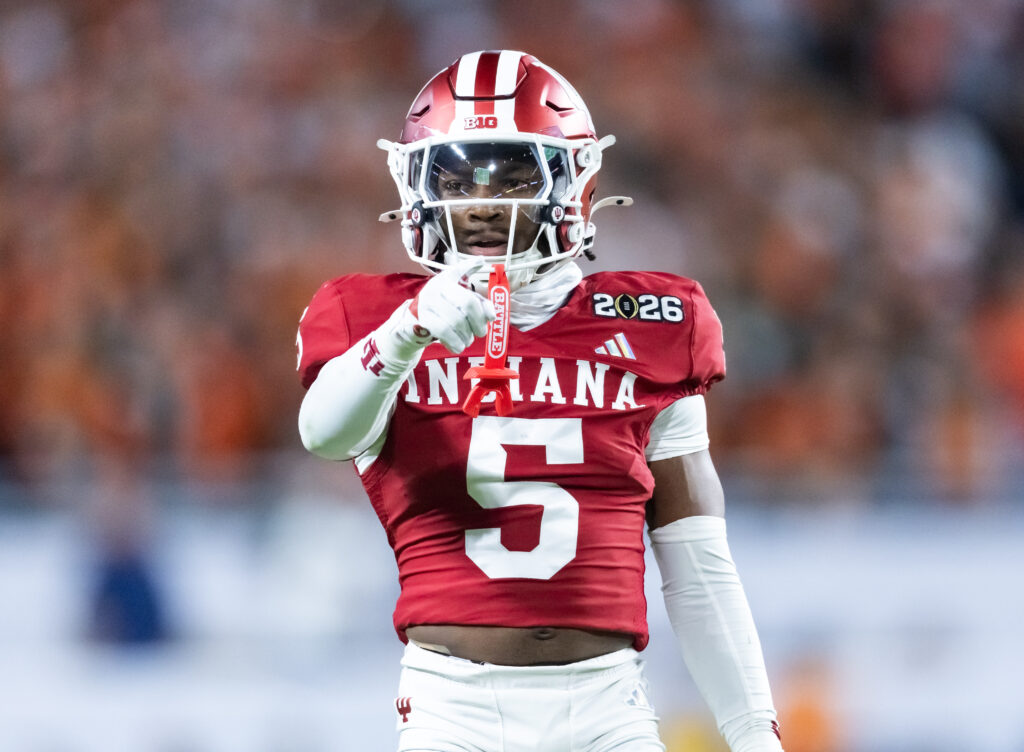
6. D’Angelo Ponds — Indiana
Ponds is an explosive and instinctive corner whose elite play speed allows him to consistently close throwing windows and create turnovers. He reads quarterbacks at a high level and often puts himself in position before the ball is even released. His burst and vertical explosiveness show up when breaking on routes or competing at the catch point. Despite his size, he plays with a physical edge that stands out on tape.
His ability to anticipate route concepts and trust what he sees makes him a dangerous playmaker in both zone and off-man coverage. Ponds consistently attacks the football with confidence and has shown the ability to turn opportunities into big plays. He also brings immediate special teams value, which increases his early impact at the next level. That combination of instincts and explosiveness gives him a unique profile in this class.
The biggest concern is his size, as bigger receivers will look to body him in contested situations and at the catch point. He can also be overly aggressive, which may lead to mistakes against more disciplined route runners. Even with those concerns, his instincts and playmaking ability give him a strong chance to outperform his draft range.
Value: Round 2
7. Keith Abney II — Arizona State
Abney is a competitive and physical corner who consistently challenges receivers at the catch point and brings a strong presence in coverage. His ball skills stand out, as he attacks the football with confidence and has shown the ability to finish plays. He has improved his processing significantly, showing better awareness and timing when reading quarterbacks. His willingness to contribute in run support adds to his overall value.
He offers versatility with experience playing both outside and inside, allowing him to fit into multiple defensive roles. Abney’s physicality and effort level show up throughout games, especially when contesting catches or stepping downhill against the run. His ability to read route combinations and react quickly has improved, giving him a more complete coverage profile. That growth suggests there is still room for development.
Concerns revolve around his size and top-end speed, which can limit him against faster or more physical receivers. He also has a tendency to draw penalties due to his aggressive play style. Even so, his competitiveness, tackling ability, and improving instincts make him a solid developmental starter.
Value: Round 2
8. Brandon Cisse — South Carolina
Cisse is an athletic and fluid corner with the length and speed to match up with a wide range of receivers on the outside. His ability to mirror releases and stay connected through routes stands out, especially in man coverage situations. He shows strong recovery speed, allowing him to close gaps quickly when initially beaten. His physical tools give him a high ceiling as a boundary corner.
He plays with confidence at the line of scrimmage, using his length to disrupt timing and force receivers off their intended paths. Cisse also flashes strong downhill burst when triggering on screens or perimeter plays, adding value outside of coverage. His versatility in different man coverage techniques allows him to adapt based on the situation. That adaptability makes him an intriguing developmental piece.
The concerns center around his raw zone instincts and tendency to rely too heavily on athleticism rather than technique. He can be grabby when out of position and needs to improve his tackling consistency in space. Despite that, his physical traits and upside make him a strong candidate to develop into a starting-caliber corner.
Value: Round 2
9. Treydan Stukes — Arizona
Stukes is a long and instinctive defensive back who thrives when he can play with his eyes on the quarterback in zone coverage. His size gives him an advantage at the catch point, allowing him to contest passes and disrupt throwing lanes effectively. He processes route combinations well and consistently positions himself to make plays on the ball. His production reflects his ability to capitalize on opportunities.
He brings versatility with experience playing both nickel and safety roles, giving defenses flexibility in sub-packages. Stukes also shows strong awareness against screens and quick game concepts, triggering downhill with urgency. His ability to impact plays in multiple ways makes him a valuable piece in zone-heavy systems. That versatility adds to his overall appeal.
The concerns involve his man coverage limitations, particularly against quicker receivers who can separate at the top of routes. His age and injury history will also factor into evaluations at the next level. Even with those questions, his instincts and size give him a clear role as a productive zone defender.
Value: Round 2-3
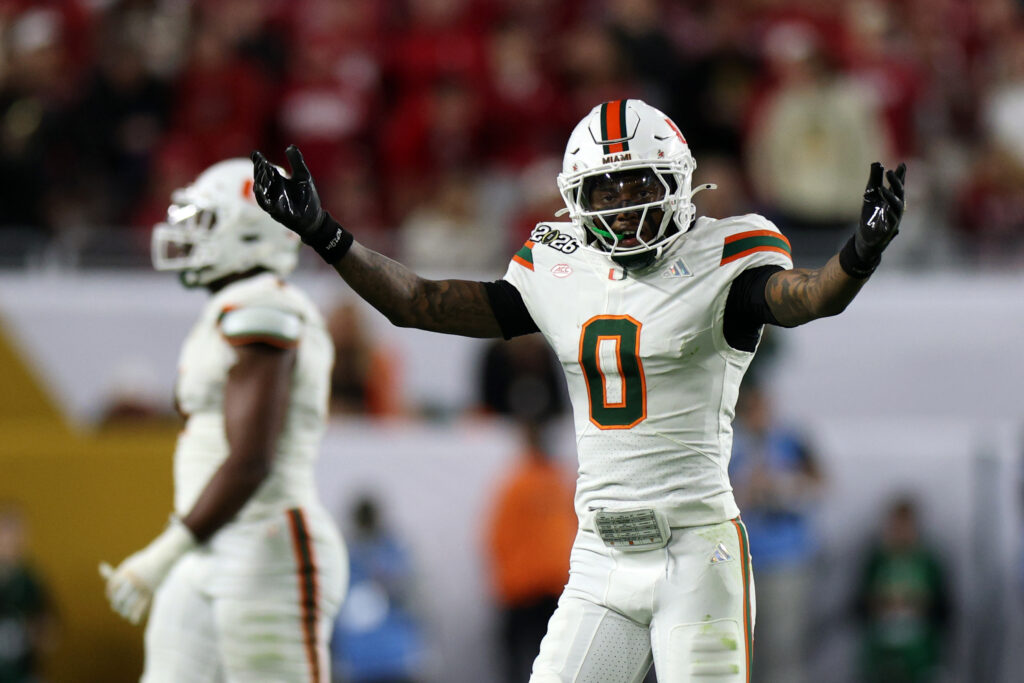
10. Keionte Scott — Miami
Scott is a physical and aggressive defensive back who brings immediate impact in run support and as a blitzer from the slot. His downhill play style stands out, as he consistently attacks the ball with urgency and intensity. He shows good timing when rushing off the edge and has the ability to disrupt plays in the backfield. His versatility across multiple positions adds to his overall value.
In coverage, Scott displays solid movement skills with the ability to mirror receivers through short and intermediate routes. He reads quarterbacks effectively in zone looks and can create plays by jumping passing lanes. His experience at multiple alignments allows defenses to move him around based on matchups. That flexibility makes him a valuable piece in sub-packages.
The concerns include inconsistent tackling technique and limitations as an outside corner against bigger receivers. His aggressiveness can also lead to mistakes when he overcommits to plays. Despite that, his physicality and versatility give him a clear role as a contributing nickel defender.
Value: Round 2-3
11. Davison Igbinosun — Ohio State
Igbinosun is a long and physical corner who uses his size to disrupt receivers at the line and contest throws downfield. His ability to carry vertical routes and squeeze passing windows along the boundary stands out on tape. He plays with aggression and consistently challenges receivers through contact. His improvement in discipline has been noticeable over time.
He shows strong ability in zone coverage, where he can keep his eyes on the quarterback and react quickly to developing plays. Igbinosun also contributes as a run defender, stepping up to set the edge when needed. His durability and experience across multiple seasons add to his reliability. That combination makes him a steady presence in the secondary.
The concerns come from his stiffness in transitions and tendency to grab when beaten, which can lead to penalties. He also has inconsistent ball tracking when his back is turned to the quarterback. Even so, his physical traits and experience make him a solid option as a boundary starter in the right system.
Value: Round 3
12. Devin Moore — Florida
Moore is a long and physical corner who excels at using his frame to disrupt receivers at the line of scrimmage. His ability to contest passes at the catch point and track deep balls gives him value on the boundary. He has shown comfort in both man and zone coverage, providing flexibility in different defensive schemes. His tackling ability adds another layer to his overall profile.
He plays with confidence in press coverage, using his length to control routes early and limit separation. Moore also shows improvement over time, indicating growth in his overall technique and awareness. His willingness to engage in run support makes him a more complete defender. That physical style fits well in aggressive defensive systems.
The main concerns revolve around his injury history and limited starting experience, which create some projection risk. His speed and transitions can also be inconsistent against quicker receivers. Even with those questions, his size and physical tools give him a pathway to becoming a reliable starter.
Value: Round 3
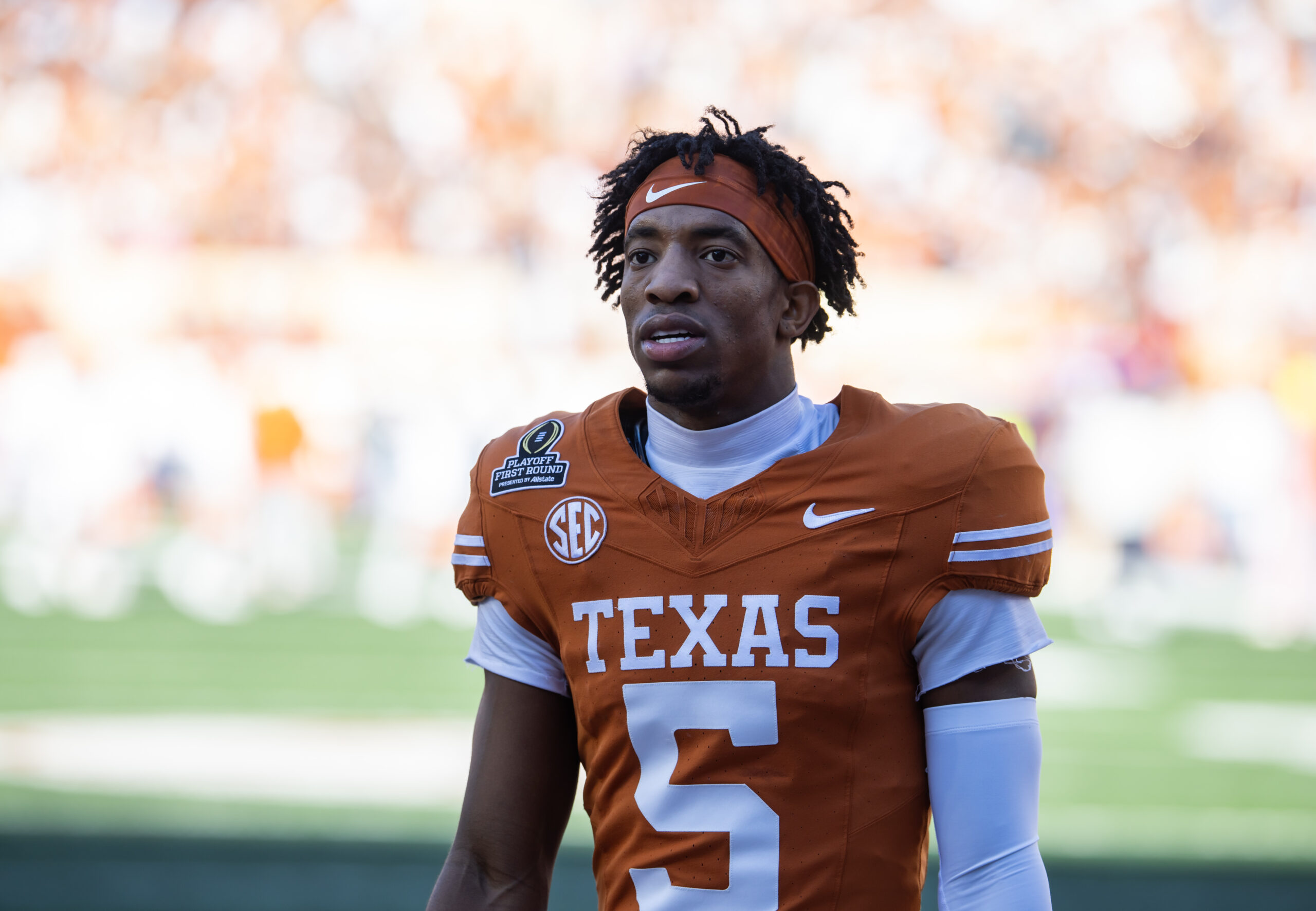
13. Malik Muhammad — Texas
Muhammad is a smooth and fluid corner with strong movement skills that allow him to stay in phase through routes. His ability to read quarterbacks and react quickly in zone coverage stands out, helping him limit separation. He combines that awareness with solid speed and recovery ability. His competitiveness shows up in both coverage and run support.
He has experience across multiple coverage techniques, including press, off, and zone looks, which adds to his versatility. Muhammad also brings value on special teams, giving him a pathway to early playing time. His ability to handle high-level competition without backing down is a positive indicator. That experience strengthens his overall profile.
The concerns center around his lighter frame and inconsistent tackling technique in space. He also lacks high-end ball production compared to others in the class. Despite that, his movement skills and versatility give him a strong foundation to develop into a starting corner.
Value: Round 3
14. Daylen Everette — Georgia
Everette is a fast and experienced corner who brings strong vertical speed and the ability to track receivers downfield. His size allows him to compete physically at the catch point and hold up against bigger targets. He plays with confidence and has shown the ability to make plays in big moments. His experience against high-level competition adds to his readiness.
He functions well in zone coverage, reading the quarterback and reacting quickly to underneath throws. Everette also contributes in run support, showing willingness to step up and engage physically. His ability to handle a variety of assignments gives him value in multiple defensive schemes. That experience makes him a reliable depth option early.
The concerns come from inconsistent transitions and a tendency to grab when out of position. His technique in man coverage can be inconsistent, particularly against quicker receivers. Even with those issues, his athleticism and experience give him a pathway to becoming a rotational contributor with upside.
Value: Round 3
15. Chandler Rivers — Duke
Rivers is a quick and instinctive defensive back with strong awareness in zone coverage and the ability to stay in phase through routes. His speed and burst allow him to close space quickly and recover when needed. He consistently positions himself well, limiting easy throwing windows. His experience and production highlight his reliability.
He shows good communication in coverage and handles route exchanges effectively, which is valuable in complex defensive schemes. Rivers also contributes as a blitzer and in special teams, adding to his versatility. His ability to impact the game in multiple ways increases his overall value. That well-rounded skill set makes him a useful piece early on.
The concerns revolve around his size and struggles against bigger receivers, particularly in press situations. His tackling consistency has also declined at times. Despite that, his instincts and quickness give him a clear role as a nickel defender.
Value: Round 3-4
16. Charles Demmings — Stephen F. Austin
Demmings is a smooth-moving corner with strong ball skills and the ability to track the football effectively downfield. His fluid hips allow him to stay connected through routes, and he shows good recovery speed when needed. He consistently competes at the catch point and has produced turnovers throughout his career. His size fits well for an outside role.
He plays with confidence in man coverage, using his length to limit separation and challenge receivers throughout routes. Demmings has also improved his tackling, showing better consistency in finishing plays. His experience and production at his level provide a solid foundation. That growth suggests he can continue developing with higher competition.
The main concern is the level of competition, as he will face a significant jump in talent at the next level. He can also be inconsistent in off coverage and occasionally rely too much on contact. Even so, the talent is clearly there and it’s rare you can find a cornerback this athletic with so much upside late in the draft.
Value: Round 3-4
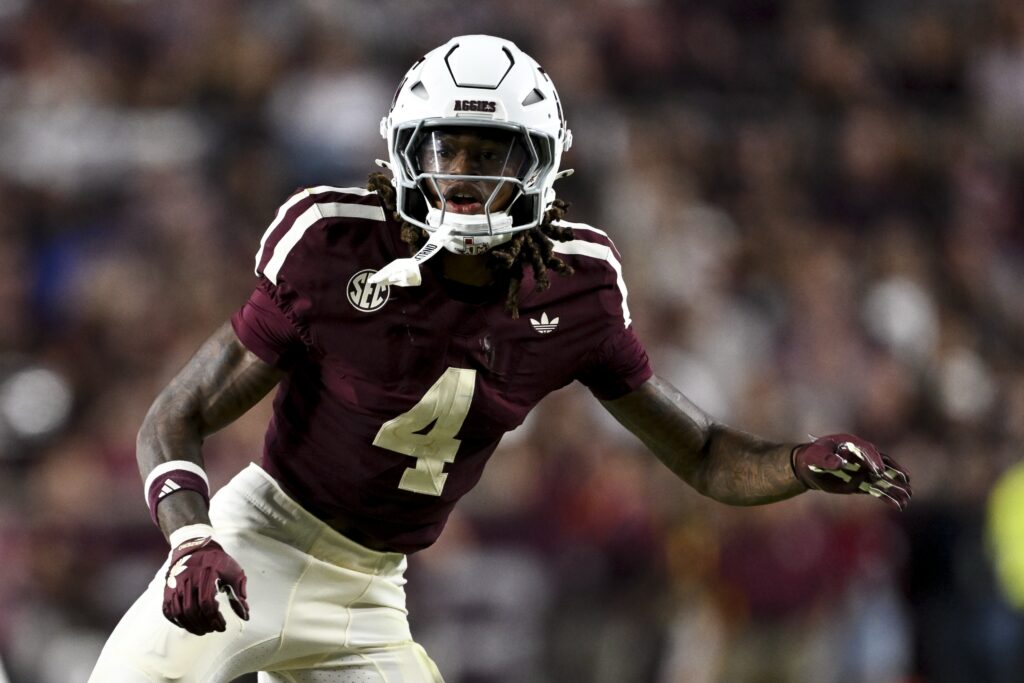
17. Will Lee III — Texas A&M
Lee is a long and athletic corner who thrives in man coverage, using his length and physicality to disrupt receivers early in routes. His ability to stay in phase and challenge throws at the catch point stands out on tape. He shows strong explosiveness when driving on the ball and closing space underneath. His ball production reflects his confidence in coverage.
He plays with an aggressive mindset, consistently competing for the football and trusting his technique in one-on-one situations. Lee also shows good burst out of his breaks, allowing him to limit separation on shorter routes. His physical tools give him a solid foundation as an outside corner. That profile fits well in press-heavy systems.
The concerns come from limited long speed and struggles in zone coverage, where his awareness can be inconsistent. He also needs to improve his tackling and run support effort. Despite that, his length and man coverage ability give him a clear developmental role.
Value: Day 3
18. Tacario Davis — Washington
Davis is a rare size-speed athlete at the cornerback position, combining elite length with impressive straight-line speed. His ability to disrupt receivers at the line and stay connected downfield makes him difficult to separate from. He consistently uses his frame to shrink throwing windows and contest passes. His physical tools are among the best in the class.
He shows strong effort in run support and is willing to engage physically on the perimeter. Davis also has solid ball skills, tracking the football well and making plays at the catch point. His ability to read quarterbacks in zone adds another layer to his game. That combination of traits gives him significant upside.
The concerns center around his change of direction and ability to handle quicker receivers underneath. He can also be grabby when out of position, leading to penalties. Even with those issues, his physical profile makes him an intriguing developmental prospect.
Value: Day 3
19. Julian Neal — Arkansas
Neal is a long and physical defensive back who uses his size to contest passes and disrupt receivers at the catch point. His run defense stands out, as he consistently steps up and engages with physicality. He reads quarterbacks well in zone coverage and positions himself to challenge throws. His versatility adds to his overall value.
He shows improvement in tackling and has become more reliable in finishing plays over time. Neal also has experience at multiple alignments, which gives defensive coordinators flexibility in how they use him. His physical traits allow him to compete against bigger receivers. That versatility helps him carve out a role.
The concerns include average long speed and stiffness in transitions, which can be exposed by quicker receivers. He also needs to improve consistency in press coverage. Despite that, his size and physicality give him a chance to develop into a depth contributor.
20. Ephesians Prysock — Washington
Prysock is a tall and lengthy corner who uses his frame to limit throwing windows and compete at the catch point. His size allows him to match up well against bigger receivers and disrupt routes early. He shows solid awareness in zone coverage, reading route combinations and reacting accordingly. His experience adds to his reliability.
He has improved as a run defender, using his length to disengage from blockers and make plays on the perimeter. Prysock also shows the ability to carry vertical routes with his long stride speed. His physical profile gives him a unique advantage in certain matchups. That size makes him an intriguing option on the boundary.
The main concerns are limited ball production and inconsistent tackling technique in space. He can also struggle with quicker route runners due to his high center of gravity. Even with those issues, his length and experience give him developmental value at the next level.
Value: Day 3